
Maintaining a healthy lawn and landscape in Waxhaw, NC requires consistent attention throughout every season. The Piedmont climate brings hot, humid summers, mild but unpredictable winters, and enough rain to keep things growing for most of the year. Without a clear plan, it is easy to fall behind on the tasks that keep your property looking its best.
This month-by-month maintenance schedule is designed specifically for Waxhaw and the greater Union County area. Whether you handle your own yard work or rely on a professional landscape maintenance team, this guide covers what needs to happen and when so nothing gets missed.
Spring: March Through May
Spring is the most active season for lawn and landscape work in Waxhaw. Warming soil temperatures trigger rapid growth, and getting ahead of the season sets the tone for the rest of the year.
March: Early Spring Preparation
March is when your landscape transitions out of dormancy. Soil temperatures in Union County typically reach the low 50s by mid-March, which signals the start of the growing season for warm-season grasses like Bermuda, Zoysia, and Centipede that dominate Waxhaw lawns.
Start by raking out any remaining leaf debris and dead material from winter. This allows sunlight and air to reach the soil surface and encourages even green-up. Inspect your lawn for bare patches or thin areas that may need overseeding or sod installation once temperatures warm consistently.
Test your soil this month. Union County soils tend toward acidic with heavy clay content, and a soil test through the NC Cooperative Extension tells you exactly what amendments are needed. Applying lime or sulfur based on test results gives the amendments time to work before peak growing season.
Cut back ornamental grasses and perennials that were left standing through winter. Prune summer-flowering shrubs like crape myrtles and butterfly bushes before new growth begins. Avoid pruning spring-flowering shrubs like azaleas and camellias until after they finish blooming.
April: Lawn Activation and Planting
By April, Waxhaw lawns are actively growing and the first mowing of the season is underway. Set your mower height appropriately for your grass type. Bermuda grass performs best at 1 to 1.5 inches, while Zoysia prefers 1.5 to 2 inches. Centipede grass should be kept at 1.5 to 2 inches as well.
Apply your first round of fertilizer once the grass has been mowed two to three times and is fully green. A balanced slow-release fertilizer with a nitrogen-phosphorus-potassium ratio suited to your soil test results provides steady nutrition without burning the turf.
April is also the prime planting season in Waxhaw. Install new shrubs, perennials, and ground covers while temperatures are mild and spring rains provide natural irrigation. Native plants like inkberry holly, sweetspire, and black-eyed Susans establish quickly when planted in April.
Pre-emergent herbicide should have been applied by early April to prevent summer annual weeds like crabgrass from germinating. If you missed the window, spot treatments will be necessary as weeds appear through the summer.
May: Growth Management and Mulching
May brings the first taste of summer heat to Waxhaw, with temperatures regularly reaching the mid-80s. Your lawn is in full growth mode and mowing frequency increases to weekly or even twice weekly for Bermuda grass.
This is the ideal month for mulch installation. Apply 2 to 3 inches of hardwood or pine bark mulch around trees, shrubs, and garden beds. Mulch conserves soil moisture, suppresses weeds, and regulates soil temperature through the hot summer months. Keep mulch pulled 2 to 3 inches away from plant stems and tree trunks to prevent moisture-related disease.
Inspect your irrigation system for broken heads, leaks, and coverage gaps. With Waxhaw’s increasing summer heat, your irrigation system becomes critical for keeping the landscape healthy. Adjust watering schedules to deliver about 1 inch of water per week, including rainfall.
Edge all bed lines, walkways, and driveways for clean definition. A crisp edge between lawn and landscape beds is one of the simplest ways to make a property look professionally maintained.
Summer: June Through August
Summer in Waxhaw means heat, humidity, and consistent maintenance to keep everything looking green despite the stress.
June: Heat Preparation and Pest Monitoring
June temperatures in Waxhaw average in the upper 80s to low 90s, and the combination of heat and humidity creates ideal conditions for both growth and disease. Raise your mowing height by half an inch during the summer months. Taller grass shades the soil, retains moisture, and crowds out weeds.
Begin monitoring for common lawn pests in the Waxhaw area, including grubs, armyworms, and chinch bugs. Brown patches that appear despite adequate watering may indicate insect damage. Catching pest problems early prevents extensive lawn damage.
Fungal diseases like brown patch and dollar spot thrive in Waxhaw’s humid summers. Water in the early morning rather than evening to allow grass blades to dry before nightfall. Avoid over-fertilizing during peak heat, which promotes disease-susceptible soft growth.
July: Peak Summer Maintenance
July is typically the hottest month in Waxhaw, with temperatures frequently exceeding 95 degrees. Your lawn and landscape are under maximum stress, and the goal shifts from active improvement to preservation.
Continue mowing at the higher summer setting and never remove more than one-third of the grass blade length in a single mowing. Mowing too short during heat stress weakens the root system and invites weed invasion.
Deep, infrequent watering is more effective than light daily irrigation. Water to a depth of 6 inches, which typically requires 30 to 45 minutes per zone depending on your sprinkler system. Water two to three times per week rather than every day to encourage deep root growth.
Deadhead flowering perennials to encourage continued blooming. Trim hedges and shaped shrubs as needed to maintain form. Remove spent annuals and replace with heat-tolerant varieties like lantana, pentas, or vinca if spring plantings have faded.
August: Late Summer Recovery Prep
August is the bridge between summer survival mode and fall recovery. While it remains hot in Waxhaw, the days are getting shorter and the worst of the heat is typically behind you by late August.
Aerate compacted lawns this month, especially if your property has heavy clay soil. Core aeration relieves compaction, improves water infiltration, and allows air to reach grass roots. Waxhaw’s clay soils benefit from annual aeration more than most soil types.
Apply a second round of fertilizer to warm-season grasses. A potassium-heavy application in late August strengthens root systems heading into fall and improves the lawn’s ability to handle the winter dormancy period.
Inspect all landscape beds for weed breakthrough and hand-pull or spot-treat any weeds that made it through the mulch layer. Check mulch depth and add a thin top-dressing where it has broken down below 2 inches.
Fall: September Through November
Fall is the second most important maintenance season in Waxhaw, and the work you do now directly impacts how your landscape looks the following spring.
September: Transition and Overseeding
September marks the transition from summer stress to fall recovery. Temperatures in Waxhaw moderate into the upper 70s and low 80s, and the reduced heat stress allows your lawn to recover and thicken before winter.
For properties with fescue or other cool-season grass blends in shaded areas, September is the prime window for overseeding. Prepare the soil surface with aeration or light dethatching, spread seed at the recommended rate, and keep the area consistently moist until germination occurs in 10 to 14 days.
Fall is also an excellent time for new landscape construction projects. Cooler temperatures reduce transplant shock for new plantings, and the fall rain pattern in Waxhaw helps new plants establish root systems before winter dormancy.
Apply a pre-emergent herbicide in mid-September to prevent winter annual weeds like henbit, chickweed, and annual bluegrass from taking over your lawn through the cooler months.
October: Fall Cleanup Begins
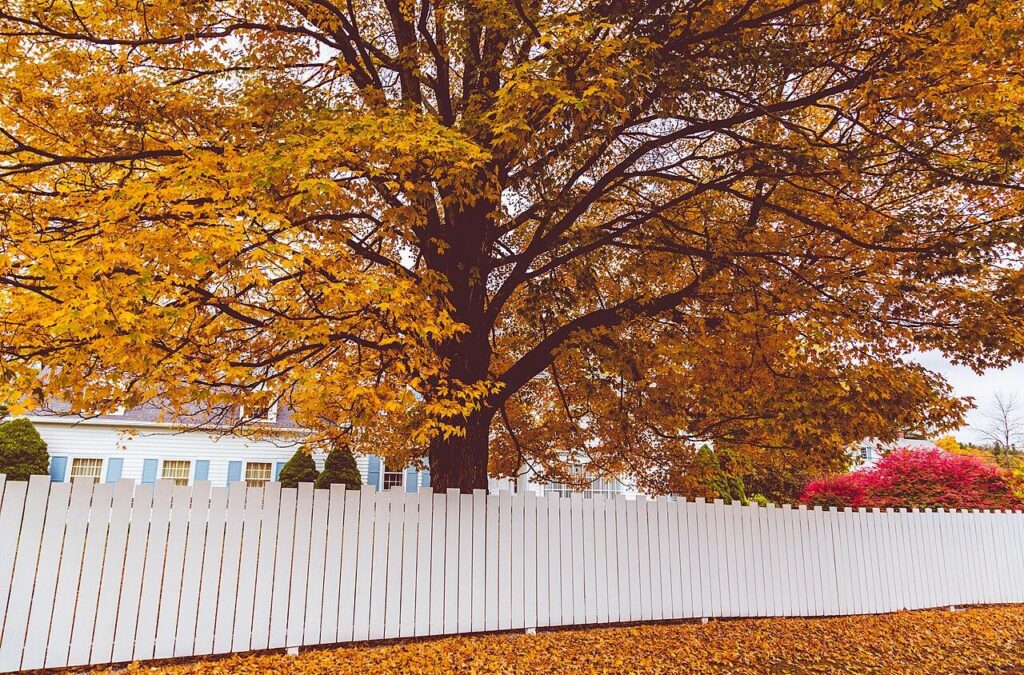
October brings the most dramatic change to Waxhaw landscapes as deciduous trees drop their leaves. Begin regular leaf removal to prevent the lawn from being smothered under heavy leaf cover. A thick layer of leaves blocks sunlight and traps moisture, creating conditions for fungal disease.
Mulch leaves into the lawn with a mulching mower when the leaf layer is light. For heavy accumulations, rake or blow leaves off the lawn and either compost them or bag for removal. Composted leaves make excellent organic matter for garden beds the following spring.
Lower your mowing height gradually as grass growth slows. Warm-season grasses in Waxhaw typically stop active growth by late October as nighttime temperatures drop into the 40s.
Continue watering as needed through October. Waxhaw often experiences dry spells in fall, and adequate moisture heading into dormancy helps grass survive winter in better condition.
November: Winterization
November is about closing out the season and protecting your landscape through winter. Apply a winterizing fertilizer to your lawn if you have not already done so. A slow-release formulation applied in early November feeds the root zone through late fall and gives the lawn a head start on spring green-up.
Drain and winterize your irrigation system before the first hard freeze, which typically arrives in Waxhaw between mid-November and early December. Blow out the lines to prevent pipe damage from freezing water. Disconnect and store hoses.
Plant spring-blooming bulbs like tulips, daffodils, and hyacinths before the ground freezes. Waxhaw’s Zone 7b/8a climate allows for a wide variety of bulbs that provide early spring color before the landscape fully wakes up.
Clean and sharpen all mowing and trimming equipment. Proper maintenance extends the life of your tools and ensures clean cuts when spring arrives.
Winter: December Through February
Winter is the quietest season for lawn and landscape work in Waxhaw, but there are still important tasks that keep your property in top condition year-round.
December and January: Dormant Season Tasks
With warm-season grasses dormant and most perennials cut back, winter is the ideal time for structural landscape work. Hardscaping projects like patio construction, retaining walls, and walkway installation can proceed without damaging active plantings.
Prune deciduous trees and shrubs while they are dormant and the branching structure is visible. Remove dead, damaged, or crossing branches to improve the tree’s form and health. Winter pruning also reduces the risk of disease transmission since most pathogens are inactive.
Monitor your property after winter storms for broken branches, fallen limbs, or any storm damage to landscape features. Clean up debris promptly to prevent lawn damage and maintain a neat appearance.
Apply a fresh layer of mulch to beds if the existing layer has thinned below 2 inches. Winter mulch insulates plant roots from temperature fluctuations that can heave shallow-rooted plants out of the ground.
February: Pre-Season Planning
February is your planning month. Review the past year’s maintenance results and note areas that need improvement. Did certain sections of the lawn struggle? Were there recurring pest problems? Use these observations to adjust your maintenance plan for the coming year.
Schedule soil testing if you did not do so in the fall. Results take 2 to 3 weeks, and having them back by early March ensures you can apply the right amendments at the start of the growing season.
Inspect landscape beds for any winter damage and plan spring plantings. Inventory your fertilizers, herbicides, and mulch supply so everything is ready when the season kicks off in March.
This is also the time to consult with your landscape maintenance provider about the year ahead. At JH Landscapes, we work with Waxhaw homeowners to develop customized maintenance plans that account for each property’s unique soil conditions, grass type, and landscape features. Starting the conversation in February ensures a seamless transition into the spring maintenance season.
Why Professional Landscape Maintenance Matters
Staying on top of a year-round maintenance schedule requires consistent effort, the right equipment, and knowledge of local growing conditions. Many Waxhaw homeowners find that partnering with a professional maintenance team allows them to enjoy their landscape without the weekly workload.
Professional maintenance ensures that every task happens at the right time with the right products. From fertilizer applications calibrated to your soil test results to pest treatments targeted at the specific issues affecting your property, a professional approach takes the guesswork out of lawn and landscape care.
At JH Landscapes, our full-service lawn and landscape maintenance programs cover everything on this schedule and more. We handle mowing, fertilization, mulching, pruning, irrigation management, and seasonal cleanups so your Waxhaw property looks its best every month of the year. Call us at (704) 999-0976 to discuss a maintenance plan for your property.
Frequently Asked Questions
When should I start mowing my lawn in Waxhaw, NC?
Most warm-season lawns in Waxhaw are ready for the first mowing by mid to late March, once the grass has greened up and started active growth. Wait until you can see consistent green growth across the lawn before making the first cut. Mowing dormant grass provides no benefit and can damage the turf.
How often should I fertilize my lawn in Waxhaw?
Warm-season grasses in the Waxhaw area typically benefit from 3 to 4 fertilizer applications per year: once in spring (April), once in early summer (June), once in late summer (August), and a winterizing application in November. Always base your fertilizer program on a current soil test to avoid over-application.
What is the best grass type for lawns in Waxhaw, NC?
Bermuda grass is the most popular choice for sunny Waxhaw properties due to its heat tolerance and durability. Zoysia grass is an excellent alternative that handles moderate shade and has a dense, carpet-like texture. Centipede grass works well for low-maintenance lawns that receive adequate sunlight. Shaded areas may benefit from a fescue blend.
How do I deal with the clay soil in Waxhaw?
Waxhaw’s Piedmont clay soil benefits from annual core aeration, which breaks up compaction and improves drainage. Adding organic matter through compost topdressing gradually improves soil structure over time. Gypsum can help break up heavy clay without affecting soil pH. Regular mulching in landscape beds also builds organic content as the mulch breaks down.
Should I water my lawn in winter in Waxhaw?
Dormant warm-season lawns generally do not need supplemental irrigation during Waxhaw winters. However, newly planted trees, shrubs, and cool-season grass areas may need occasional watering during dry winter periods. If Waxhaw goes more than 3 to 4 weeks without meaningful rainfall, a deep watering for evergreens and new plantings helps prevent winter desiccation.
How much does professional lawn maintenance cost in Waxhaw, NC?
Professional lawn maintenance costs in the Waxhaw area vary based on property size, service frequency, and the scope of services included. Basic mowing and edging for a standard residential lot typically ranges from $40 to $80 per visit. Comprehensive programs that include fertilization, weed control, mulching, pruning, and seasonal cleanups range from $200 to $500 per month depending on the property size and service level.