
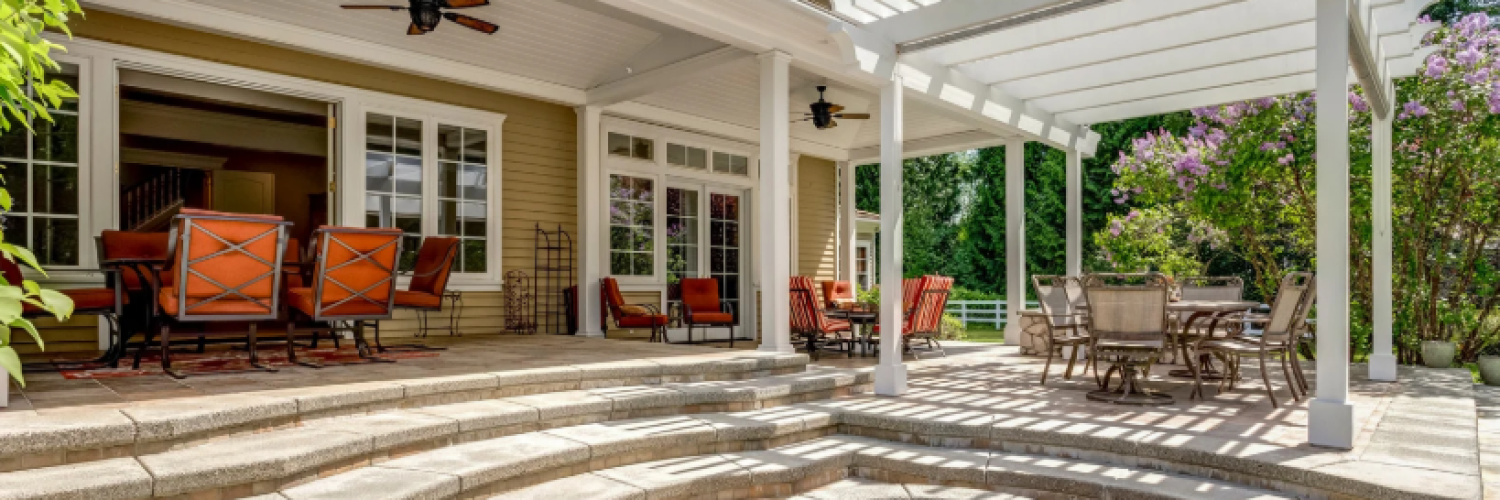
Choosing between concrete pavers and brick pavers is one of the first real decisions in any patio installation or hardscaping project, and it is a decision that affects far more than just looks. Cost, long-term durability, maintenance requirements, and how well the material holds up in the specific conditions of Waxhaw and the surrounding Piedmont area all factor in. Both materials are excellent performers when installed correctly, but they are not interchangeable, and the right choice depends on what you are building, where it sits on your property, and what matters most to you over the life of the project.
This guide covers both materials honestly, including where each one excels, where each one falls short, and how to think through the decision for your specific home and project scope.
What Each Material Actually Is
Concrete Pavers
Concrete pavers are manufactured from a mixture of cement, sand, crushed stone aggregate, and color pigments. That mixture is poured into molds, compressed under high pressure, and then cured. The compression process produces a paver that is actually denser and harder than poured concrete slabs, which is why concrete pavers resist cracking better than a standard concrete pour. The pigments are mixed throughout the paver body, not just applied to the surface, though they are more concentrated near the top and can fade over time with sustained sun exposure.
Because concrete pavers are made in controlled manufacturing environments, they come in extremely consistent dimensions. That uniformity makes them faster and more efficient to install, allows for a wider variety of pattern options, and makes cutting for edges and curves more predictable. They are produced in an enormous range of shapes, sizes, colors, and textures, including finishes that convincingly mimic natural stone, cobblestone, and even wood.
Brick Pavers
True brick pavers are made from natural clay. The clay is mixed, molded into shape, and then fired in a kiln at very high temperatures. That firing process produces a material whose color is inherent throughout the body of the brick, not applied as a surface pigment. Because the color comes from the natural minerals in the clay and the heat of the kiln, it does not fade over time the way pigmented concrete can. A brick patio laid decades ago still carries its original warmth and depth of color.
The kiln-firing process also produces a material with exceptional hardness and density. Brick pavers resist staining and surface erosion in ways that concrete pavers cannot match over long time horizons. The trade-off is that because each brick is fired individually in a kiln, there are minor natural variations in dimensions from unit to unit, which requires more skill and patience during installation to achieve even spacing and consistent appearance.
One important note for shoppers: some products are marketed as “brick” based on their rectangular shape or reddish color, but are actually made from concrete. If longevity and natural color retention are priorities, confirm the material is genuine clay before purchasing.
Cost: What to Expect for Each Material in the Waxhaw Area
Both materials cost more to install than poured concrete, and for good reason: the interlocking unit system, properly prepared base, and precise installation work that paver projects require produce a surface that handles Waxhaw’s clay soil movement and weather swings far better over time.
For concrete pavers, homeowners in the Waxhaw area can expect installed costs in the range of $10 to $20 per square foot for standard product lines, with premium shapes, large-format units, or complex patterns pushing toward the higher end of that range. A standard 400-square-foot patio project would typically fall between $4,000 and $8,000 fully installed, depending on site conditions, the amount of drainage solutions work required, and pattern complexity.
Brick pavers typically run $12 to $20 per square foot installed for standard residential projects. The material cost of genuine clay brick is often comparable to mid-range concrete pavers, but the labor component is higher because the slight dimensional variation in kiln-fired brick requires more careful fitting and adjustment during installation. For the same 400-square-foot patio, a brick paver project would typically run $4,800 to $8,000 or more depending on the same variables.
The cost gap between the two materials is smaller than many homeowners expect, particularly when comparing mid-grade concrete pavers against genuine clay brick. Where concrete pavers pull significantly ahead on price is in the large-format and specialty texture categories, where premium concrete products can exceed brick by a meaningful margin.
Durability and Performance in Waxhaw’s Specific Conditions
Waxhaw sits in the Piedmont, which means clay-heavy soil, humid summers with heavy afternoon rain events, occasional winter freeze-thaw cycles, and enough seasonal soil movement to stress any surface that lacks flexibility. Both concrete and brick pavers handle these conditions better than poured concrete precisely because they are individual interlocking units rather than one rigid slab. When soil shifts or a root grows beneath the surface, a paver installation can flex and settle incrementally rather than cracking across the full surface.
How Concrete Pavers Wear Over Time
Concrete pavers are extremely durable in the short to medium term. They resist cracking well and hold up reliably under heavy foot traffic and vehicle loads. The area where concrete pavers show their age first is surface appearance. The color pigments sit closer to the surface than the natural mineral color in clay, and sustained UV exposure in Waxhaw’s sunny summers causes gradual fading over five to fifteen years depending on the specific product and how much direct sun the installation receives. The surface can also erode slowly over time, exposing the aggregate beneath and giving the paver a slightly rougher texture.
Sealing concrete pavers on a regular schedule, typically every three to five years, significantly slows both fading and surface erosion. Sealing also makes the surface easier to clean and enhances color depth. It is an added maintenance cost to factor in, but most homeowners who care about appearance consider it worthwhile.
How Brick Pavers Wear Over Time
Brick pavers age differently and, for many homeowners, more gracefully. Because the color is inherent throughout the clay body rather than a surface pigment, it does not fade under UV exposure the way concrete does. A brick patio actually tends to look better as it develops a natural patina over years of use. The character deepens rather than diminishes. Brick is also highly resistant to surface staining and requires far less maintenance than concrete to hold its appearance.
The vulnerability of brick is concentrated in individual units rather than the surface overall. A brick can chip or crack under a severe point impact or frost event, but because each unit is independent, damage is contained. You replace the affected brick rather than patching an area that will visibly contrast with the surrounding surface. For a homeowner thinking across decades rather than years, brick’s repairability and color permanence are significant advantages.
Appearance and Style: Matching Your Home’s Architecture
Waxhaw features a mix of architectural styles: traditional Colonials and Craftsman homes in established neighborhoods, newer construction with transitional and contemporary aesthetics, and larger properties on acreage where the outdoor space is expected to carry its own design weight. The material you choose should complement the home’s character rather than compete with it.
Brick pavers align naturally with traditional, Colonial, farmhouse, and cottage-style homes. The warm earth tones of red, brown, and tan brick read as timeless, and aged brick in particular carries a sense of permanence and craft that works beautifully on properties where those qualities are part of the design intent. Color choices are more limited compared to concrete, generally running through the red, rust, brown, and buff spectrum, but within a traditional palette that reads as authentic rather than produced.
Concrete pavers offer far more design latitude. They are available in dozens of colors, multiple sizes, and textures ranging from tumbled and aged finishes that read as traditional, to clean-edged large-format units that suit contemporary and transitional architecture. A homeowner who wants a specific color to complement their home’s exterior palette, or who needs a specific format to achieve a particular design concept, will almost always find what they need in concrete. The tradeoff is that the variety of options can make selection more complex, and product quality varies significantly across the market.
Pattern also plays a role. Both materials can be laid in running bond, herringbone, and basketweave. Concrete’s dimensional consistency makes more complex or mixed-size patterns easier to execute, while brick’s classic dimensions keep it in well-established pattern territory. Your landscape design plan should account for how the paver pattern and color read alongside your home’s facade, existing hardscape elements, and surrounding plantings.
Application by Project Type
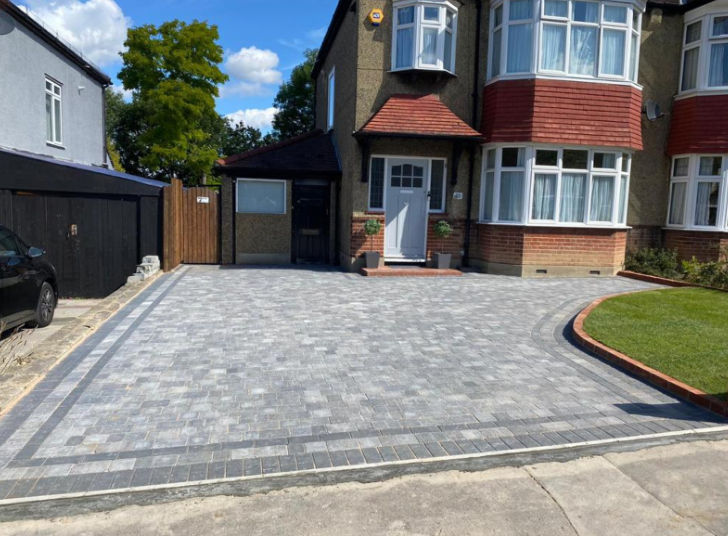
Both materials perform well across the common residential hardscape applications, but some project types favor one over the other.
Patios and Outdoor Living Areas
Both concrete and brick pavers are excellent patio materials. For homeowners prioritizing design flexibility and working with a contemporary or transitional home, concrete pavers offer more options. For those building around a traditional or farmhouse aesthetic and willing to invest in a material that will look as good in thirty years as it does at installation, brick pavers are worth the premium. Patio projects also benefit most from the seating wall integration and fire feature surround applications that both materials handle well.
Walkways and Driveways
For walkway and driveway installations, brick pavers have a long track record of handling vehicle loads and heavy foot traffic. Their density and hardness make them resistant to compression and surface wear in high-traffic zones. Concrete pavers are also entirely capable in these applications, particularly thicker commercial-grade units designed for driveway use. The decision often comes down to aesthetics and budget in these contexts.
Retaining Walls and Seat Walls
For retaining and seating walls that are designed to complement an adjacent patio, matching or coordinating the wall material with the patio surface creates a cohesive, designed appearance. Both concrete paver systems and brick can be used for seat wall cap material, and both integrate well with their respective patio surfaces. Some homeowners choose to mix materials deliberately, using brick for a patio surround seat wall against a concrete paver field, which can create a layered, interesting result when handled by an experienced installer.
Maintenance: What Each Material Requires Over Time
Ongoing maintenance is a real part of any paver installation’s total cost of ownership, and the two materials have meaningfully different demands.
Concrete pavers benefit from sealing every three to five years to slow surface fading and erosion and to make the surface more resistant to oil and organic staining. Without sealing, concrete pavers will fade noticeably over a decade of Waxhaw’s sun exposure. Weed control in the joints is also part of routine maintenance for both materials, though polymeric sand applied during installation reduces germination significantly. Joint sand should be topped up and the surface re-compacted if settlement occurs in any area.
Brick pavers require considerably less ongoing maintenance. They do not need sealing to retain their color, because the color is not a surface treatment. Periodic cleaning with a pressure washer or appropriate masonry cleaner keeps them looking their best, and damaged individual bricks can be replaced without visible mismatch because the patina develops across the surface as a whole rather than leaving a clearly new patch. The main maintenance consideration with brick is monitoring for settling in areas with significant clay soil movement and re-leveling any units that shift out of plane over time.
Proper drainage is the most important factor in the long-term performance of any paver installation. Both materials need a well-compacted gravel base with appropriate slope away from the house, and properties with drainage challenges benefit from addressing those issues before installation rather than after. JH Landscapes evaluates drainage solutions as part of every hardscaping project to ensure the base system is designed for Waxhaw’s heavy rainfall patterns.
Which One Is Right for Your Waxhaw Home?
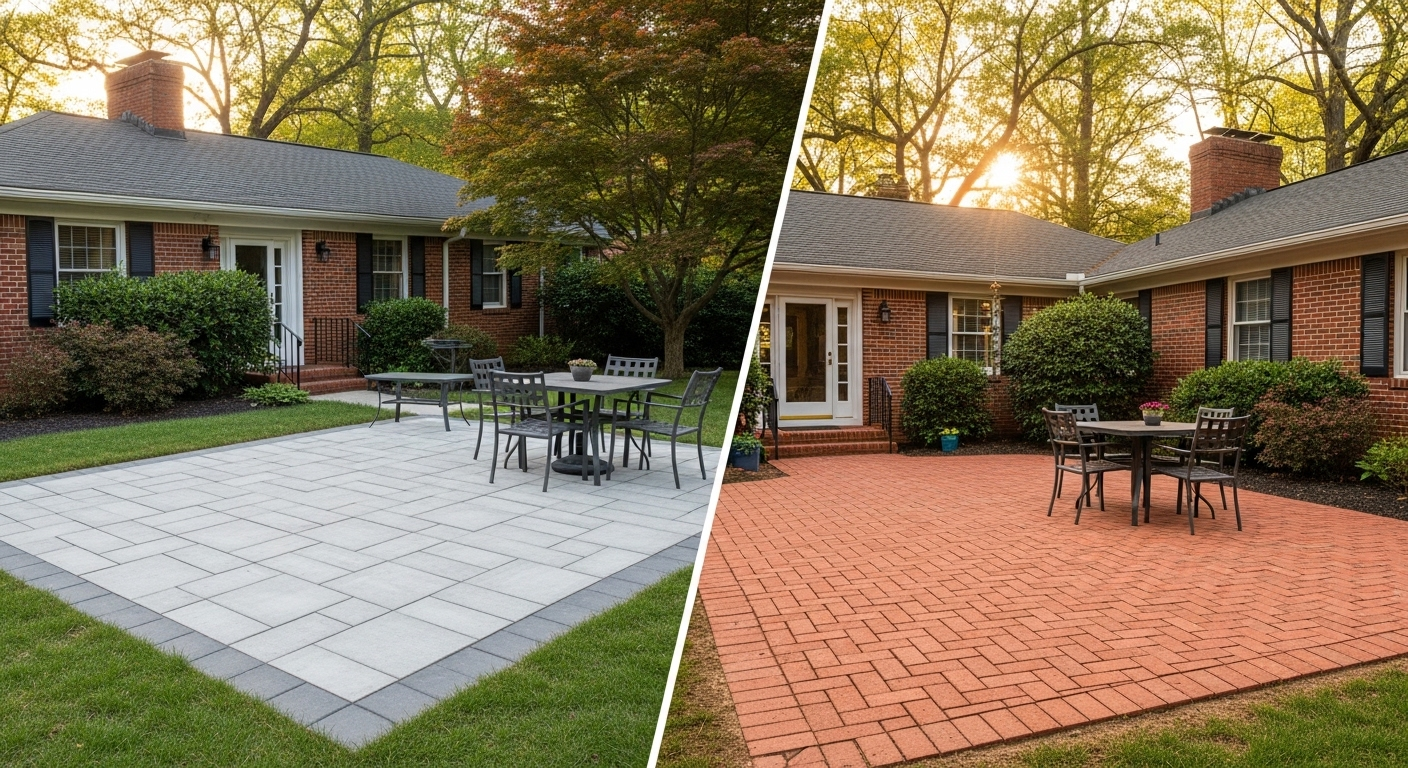
The honest answer is that the best material is the one that fits your project’s specific combination of budget, aesthetic goals, maintenance preferences, and how long you plan to stay in the home.
If you want maximum design flexibility, lower upfront cost, and are comfortable with periodic sealing as part of your maintenance routine, concrete pavers are an excellent choice. They perform reliably in Waxhaw’s conditions, come in virtually any color or texture you could need, and install efficiently.
If you are building for the long term, value a material that ages with character rather than one that requires maintenance to hold its appearance, and are working with a traditional or transitional home style where the warmth of clay suits the architecture, brick pavers justify their premium. The color will not fade, repairs will not be visible, and the patio will look as considered in twenty years as it does the day it is installed.
Many of the best outdoor projects in the Waxhaw area combine both materials, using each where its strengths are most relevant. A concrete paver field for a large patio surface paired with a brick-cap seat wall, or a brick walkway leading to a concrete paver entertaining area, are both approaches that produce distinctive, well-resolved results. JH Landscapes can help you think through both material selection and the overall project scope, from hardscaping services through outdoor lighting, to building an outdoor space that holds up in Waxhaw’s conditions and reflects how your property is actually used.
About JH Landscapes
JH Landscapes is a full-service outdoor construction and landscaping company serving homeowners throughout Waxhaw and the surrounding communities, including Weddington, Indian Trail, and Monroe. The team specializes in paver patios, hardscaping, landscape design, and outdoor living construction, bringing careful planning and skilled execution to every project. JH Landscapes is committed to helping homeowners make material and design decisions that perform reliably over the long term and complement the character of each property.
Ready to Start Your Paver Project?
Whether you have already settled on a material or are still weighing your options, JH Landscapes serves homeowners throughout Waxhaw, Weddington, Indian Trail, Monroe, and the surrounding Greater Charlotte area. Call (704) 999-0976 or visit our contact page to schedule your on-site consultation. We will walk your property, discuss your design goals, and provide a detailed written proposal so you know exactly what to expect before any work begins.
Frequently Asked Questions
Are concrete pavers or brick pavers more expensive?
The gap is smaller than most homeowners expect. Concrete pavers typically run $10 to $20 per square foot installed in the Waxhaw area, while genuine clay brick pavers typically run $12 to $20 per square foot installed. Labor costs are somewhat higher for brick because the slight dimensional variation in kiln-fired units requires more careful fitting. Premium large-format concrete paver products can exceed brick pricing, while standard concrete pavers tend to cost less than comparable brick.
Which paver material holds up better in Waxhaw’s clay soil and heat?
Both materials handle Waxhaw’s conditions better than poured concrete because neither relies on a monolithic slab that cracks when the soil shifts. Brick pavers have a durability edge over very long time horizons because their color is inherent throughout the clay body and their surface does not erode the way concrete can. Concrete pavers perform reliably for decades with proper sealing and maintenance. The base preparation quality matters as much as material choice in Waxhaw’s clay soil conditions.
Do concrete pavers fade in the sun?
Yes, concrete pavers are prone to gradual color fading over time because their color comes from pigments rather than from the natural minerals of fired clay. The degree of fading depends on the amount of direct sun exposure and the quality of the specific product. Regular sealing, typically every three to five years, significantly slows fading and helps the surface retain its original color depth. Brick pavers do not fade in the same way because their color is inherent throughout the clay body.
Can I mix concrete and brick pavers in the same project?
Yes, and this is a common approach for projects where homeowners want to use each material where it performs or looks best. A concrete paver patio field with a brick seat wall cap, or a brick walkway leading to a larger concrete paver entertaining area, are both approaches that work well aesthetically and functionally. Mixing materials requires thoughtful design planning to ensure the transition points look intentional rather than mismatched.
How long do brick pavers last compared to concrete pavers?
Both materials can last decades with proper installation and reasonable maintenance. Concrete pavers from a quality manufacturer installed on a properly prepared base reliably last twenty to thirty or more years. Genuine clay brick pavers, which have been used in streets and courtyards for centuries, can last fifty or more years without the color degradation that affects concrete over time. The longevity of either material depends heavily on the quality of the base installation beneath it.
Do paver patios require permits in Waxhaw?
Standard ground-level paver patios typically do not require a building permit in most Waxhaw-area municipalities. Projects that include covered structures, outdoor kitchens with gas or electrical connections, or features that substantially increase impervious surface may require permits. Retaining walls above a certain height often have permit requirements as well. JH Landscapes coordinates with local building departments as needed throughout the project process.