
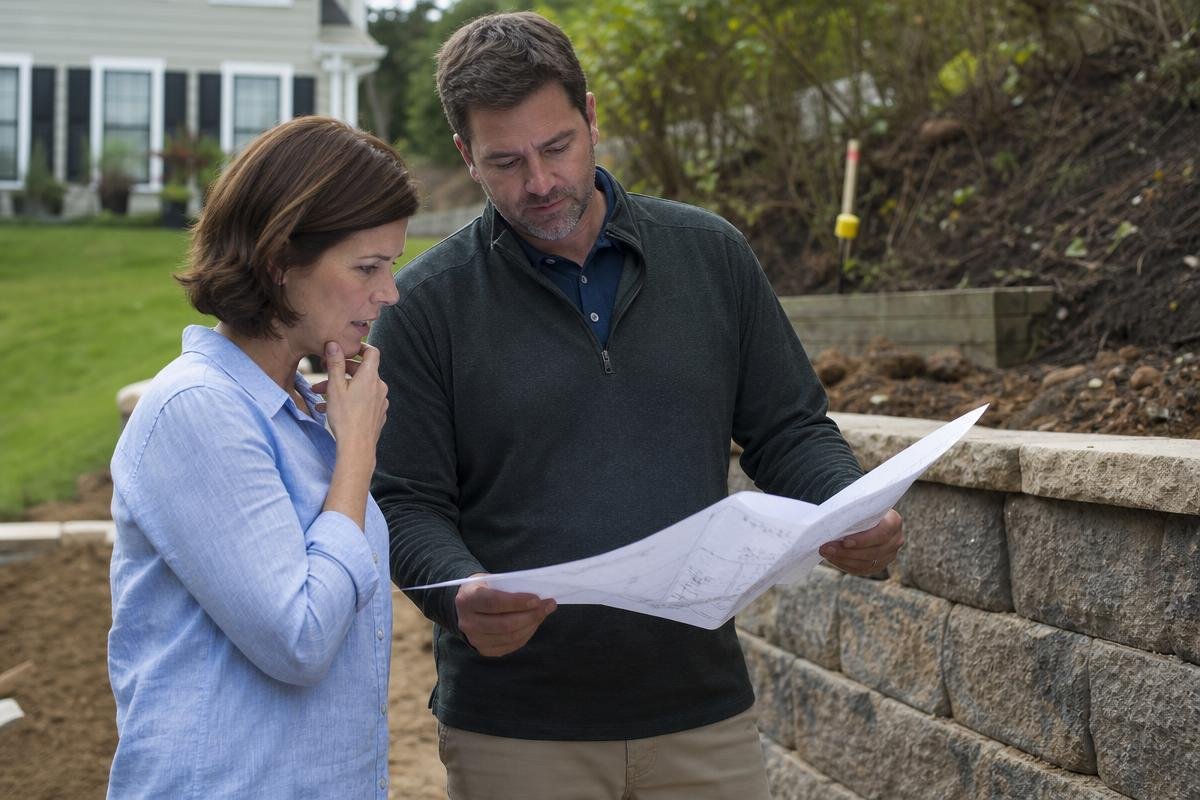
If you are asking whether you need a permit for landscaping in Charlotte, NC, the answer depends on the work, the parcel, and whether your property is inside Charlotte city limits or another Mecklenburg County jurisdiction. Routine planting is usually different from grading, drainage changes, paving, excavation, retaining walls, work in an easement, or changes near the public right-of-way. JH Landscapes helps homeowners define the construction scope before they contact the appropriate reviewer.
Get a clear answer before you break ground.
Contact UsKey Takeaways
- Landscaping permits in Charlotte are generally tied to site changes, not ordinary planting or maintenance.
- Retaining walls, grading, drainage outlets, driveways, patios, and work near streets or easements deserve an early permit and zoning check.
- Charlotte-Mecklenburg rules, HOA approval, utility locating, and contractor planning are separate steps.
- Use official City of Charlotte and Mecklenburg County resources for the final determination on your address.
When Charlotte Landscaping Work Can Require Review
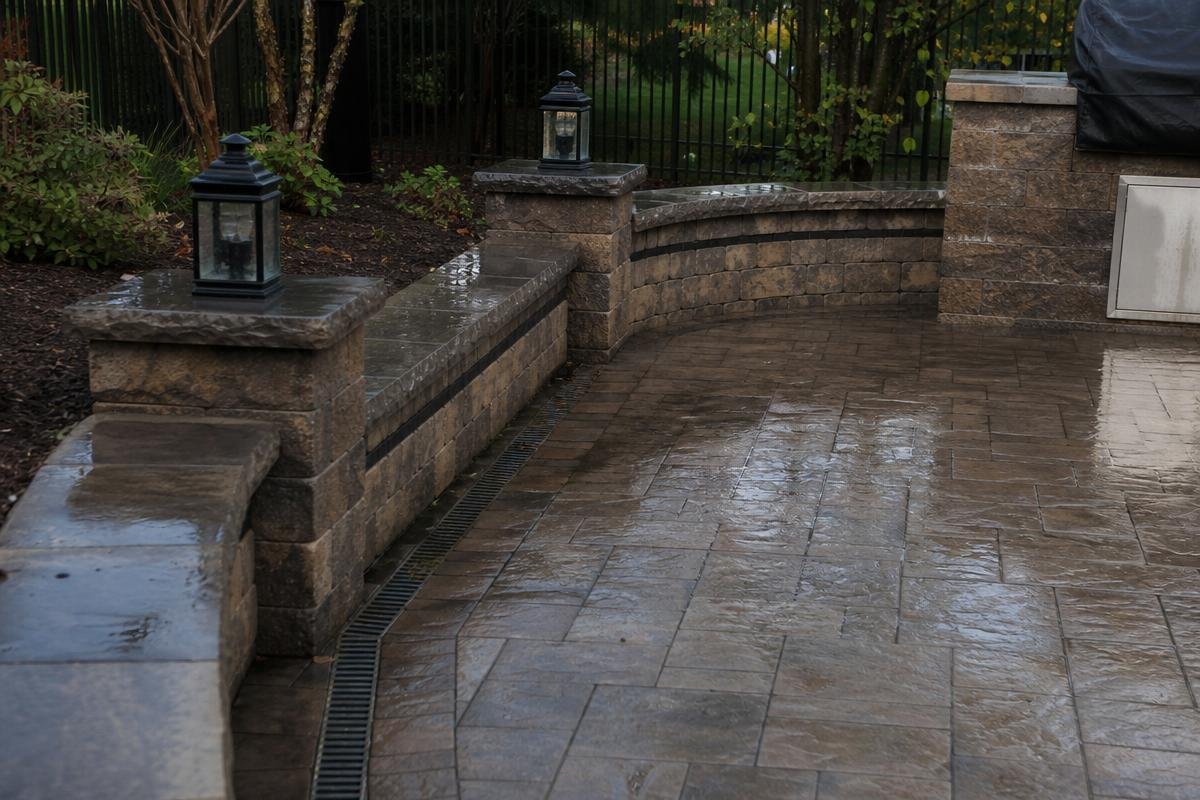
Most homeowners can replace mulch, shrubs, sod, and seasonal plantings without a building permit. The conversation changes when a project alters the grade, adds hard surfaces, holds back soil, redirects stormwater, removes trees, or reaches a public easement. Charlotte properties are generally reviewed through City of Charlotte departments and the Charlotte-Mecklenburg permitting system, while nearby towns such as Waxhaw, Matthews, Mint Hill, Pineville, Huntersville, or Davidson may use their own local processes.
Start by confirming the jurisdiction and reviewing the City of Charlotte's permitting information, zoning resources, and stormwater guidance. For structural work, Mecklenburg County Code Enforcement may also be involved. Permit requirements can change, so treat official staff guidance as the final answer for your parcel.
For projects involving walls or drainage, review our Retaining and Seating Walls and Drainage Solutions. We can help you prepare a clear project description, dimensions, and construction scope before you submit questions or an application.
What Counts as Routine Landscaping, and What Can Become Regulated Site Work?
Routine landscaping usually does not need a permit. Work may require review once it changes the physical site, redirects water, adds a wall or paved surface, or involves excavation or fill. That distinction is especially important on Charlotte-area lots with compacted clay soils, sloping rear yards, drainage swales, and utility or stormwater easements.
Routine Planting and Maintenance
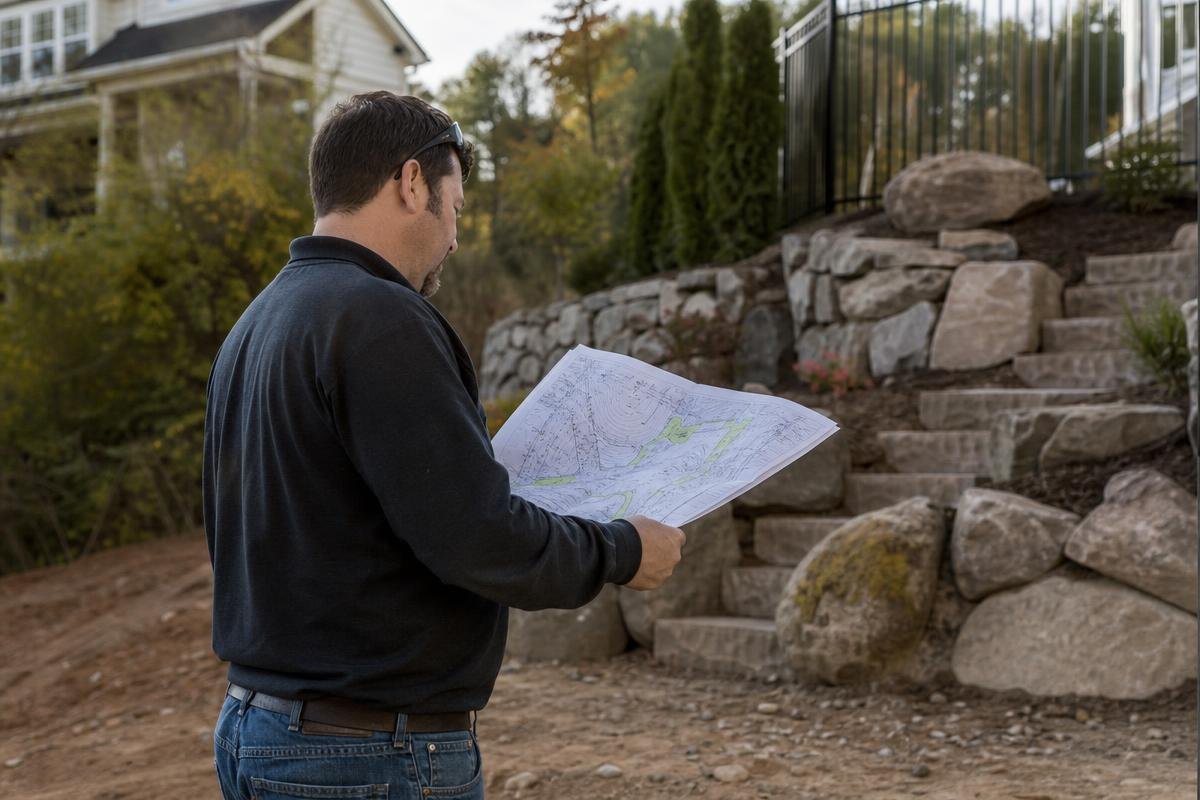
Refreshing mulch, replacing shrubs, repairing sod, pruning, and maintaining seasonal beds are generally ordinary landscape work. These projects do not usually alter grades, drainage paths, setbacks, or lot coverage. Our Mulch Installation and planting work typically fall into this category.
Projects That Change the Site
Moving soil can become regulated site work when it changes the finished grade or where stormwater flows. Replacing turf with pavers, cutting into a slope for a wall, importing fill, or routing runoff toward a swale, curb, or neighboring lot should be reviewed before excavation begins. A project may involve separate questions about zoning, stormwater, structural permitting, and erosion control.
Use this quick screening guide, then confirm the details with the applicable Charlotte-Mecklenburg office:
- Planting, mulch, and sod: Usually routine, unless tied to an approved development plan, protected-tree condition, drainage work, or significant grading.
- Patios and walkways: Confirm setbacks, lot coverage, excavation, drainage, and any easement restrictions.
- Driveways or curb cuts: Ask about zoning, driveway access, and Charlotte Department of Transportation right-of-way review.
- Retaining walls: Confirm structural permit, zoning, drainage, and engineering requirements before ordering materials. Wall height, surcharge loads, property-line location, and tiered-wall layout can affect the review.
- Grading or fill: Confirm whether the earthwork changes drainage patterns, affects an easement, or triggers erosion-control review.
- French drains, swales, catch basins, and discharge pipes: Verify that runoff will not be directed onto neighboring property, a sidewalk, or a public street without approval.
- Tree removal: Check whether the tree is subject to City tree-protection requirements or site-plan conditions, especially on development-related work.
- Work near the street: Any sidewalk, curb, driveway apron, street-tree, or right-of-way work needs direct confirmation with the responsible public agency.
Why a Scaled Plan Helps
A scaled plan gives reviewers a clear picture of what will change. Show property lines, the house, existing and proposed grades, drainage direction, wall locations, paved areas, easements, utility locations, and any trees affected by the work.
Basic Details to Have Ready
- Parcel address and jurisdiction
- Project sketch with dimensions
- Wall height, materials, and cross-section details when applicable
- Existing and proposed grading changes
- Drainage destination and outlet location
- Photos of the work area, slope, and nearby structures
For utility safety, contact NC 811 before excavation. Utility locating is not a permit, but it is an essential pre-construction step when digging for drainage pipe, lighting, irrigation, footings, or patio bases.
Questions to Ask Charlotte-Mecklenburg Reviewers
Confirm requirements before any project changes walls, grades, drainage, paving, access, coverage, trees, or work near the public right-of-way. The City of Charlotte's zoning resources can help identify parcel-specific development standards, while the Charlotte Storm Water Services page is a useful starting point for drainage-related questions.
Retaining and Seating Walls
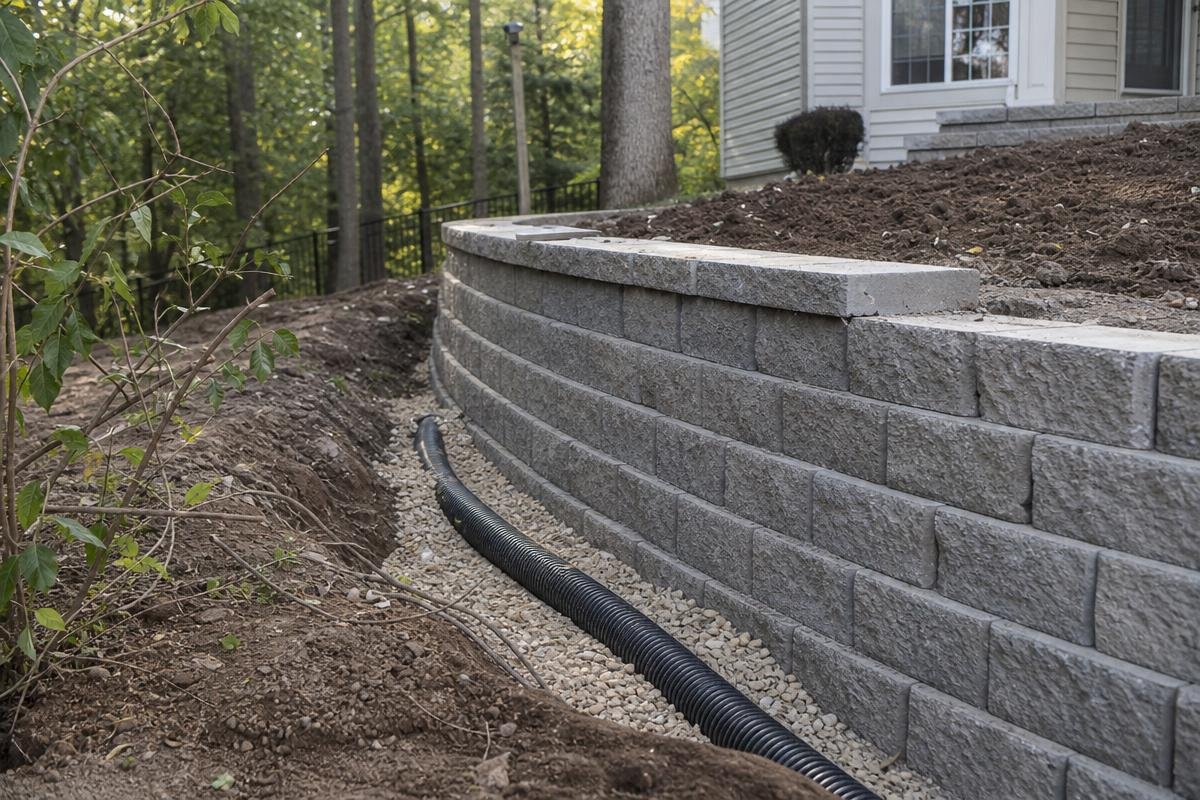
Do not rely on a generic "no permit needed" answer for a wall. A retaining wall can create structural, drainage, setback, and engineering questions, particularly where the wall supports a driveway, patio, slope, fence, or other surcharge load. Ask Charlotte-Mecklenburg permitting staff whether the planned wall requires a permit and whether sealed plans are needed. Our Retaining and Seating Walls process begins with the wall location, height, drainage plan, soil conditions, and equipment access.
Grading and Drainage Changes
Ask before excavation, imported fill, slope changes, new swales, French drains, catch basins, or buried drain pipe. In Charlotte, water management is not simply a backyard preference. A drainage feature must be planned so it does not create runoff problems at a foundation, property line, sidewalk, street, or shared drainage area. Review the project with Charlotte Storm Water Services when the work affects stormwater conveyance or public drainage infrastructure.
See our Drainage Solutions for the types of drainage work that benefit from an early site assessment.
Patios, Driveways, Walkways, and Stairs
A paver patio, driveway replacement, walkway, sidewalk connection, or stair project can raise questions about excavation, impervious coverage, setbacks, drainage, and access. Driveway changes and work near a curb or sidewalk deserve special attention because the public right-of-way is not part of a typical residential landscape permit path. Confirm the responsible department before work starts.
Trees, Coverage, and Landscape Plans
Ask about tree-protection standards, landscape-plan requirements, and lot-coverage limits when a project is connected to new construction, extensive paving, redevelopment, or approved site plans. The City's zoning and development resources are the right place to begin, rather than assuming every tree or planting change follows the same rule.
- Walls: Do structural, zoning, drainage, or engineering requirements apply?
- Grading or fill: Does earthwork, erosion control, or drainage review apply?
- Drainage modifications: Where can runoff legally and safely discharge?
- Paving: What setbacks, coverage, access, or drainage requirements apply?
- Landscape plans: Is a formal plan required for the property or project type?
- Tree-related work: Do tree-protection or development-plan conditions apply?
How to Check Permit Requirements Before You Hire a Landscaper
Before you hire a landscaper, define the work clearly, verify your jurisdiction, and save the response you receive before construction begins. A backyard project can involve a wall, patio excavation, drainage routing, and lot coverage at the same time. A complete description helps staff direct you to the correct permit, zoning, stormwater, or engineering path.
Describe the Actual Site Changes
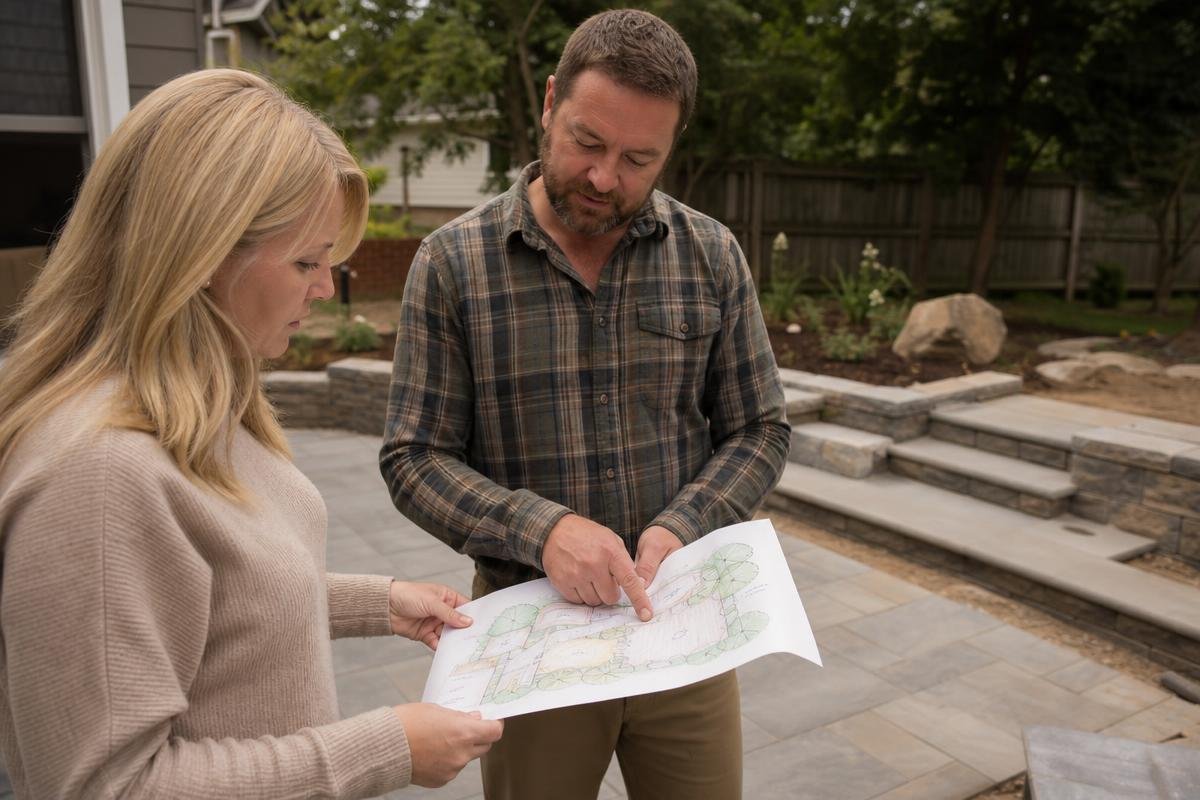
Tell the reviewer what will physically change on the lot. Say, "install a paver patio with base excavation, a retaining wall, and a drainage outlet," rather than "add a patio." Include location, dimensions, excavation depth, fill, wall height, drainage outlet, proposed materials, and proximity to property lines or easements.
This level of detail matters for Landscape Construction, especially where a project includes paving, runoff control, or a wall.
Ask the Right Questions
Start with the City of Charlotte's permitting page and zoning information. Ask which office handles your project and whether your parcel has special limits related to drainage, easements, tree protection, setbacks, or coverage. If your property is outside Charlotte city limits, verify whether Mecklenburg County or a separate municipality is the governing authority.
HOA approval is separate from government approval. An architectural review committee may require plans, materials, or color selections even when the city does not issue a permit. Conversely, HOA approval does not replace a required permit or public right-of-way authorization.
Keep a Project Record
Save the information before work begins. Keep:
- A site sketch and measurements
- Current photos and material selections
- Your drainage plan and grading notes
- Written guidance from the applicable city, county, or municipal office
- Permit applications, approved plans, and inspection records
- HOA approval, if applicable
- Your contractor proposal
These records reduce scope changes after excavation begins. If you need help defining the construction details before contacting reviewers, JH Landscapes can walk you through practical dimensions, materials, drainage routing, and access considerations.
Why Charlotte Site Conditions Can Change the Conversation
Charlotte-area rainfall and clay-heavy ground can turn a simple yard upgrade into a site-work question. Before setting pavers, building a wall, or moving soil, it is important to identify where water currently collects, how the proposed work changes the grade, and where runoff will go during a heavy storm.
Clay Soil and Rainfall-Driven Runoff
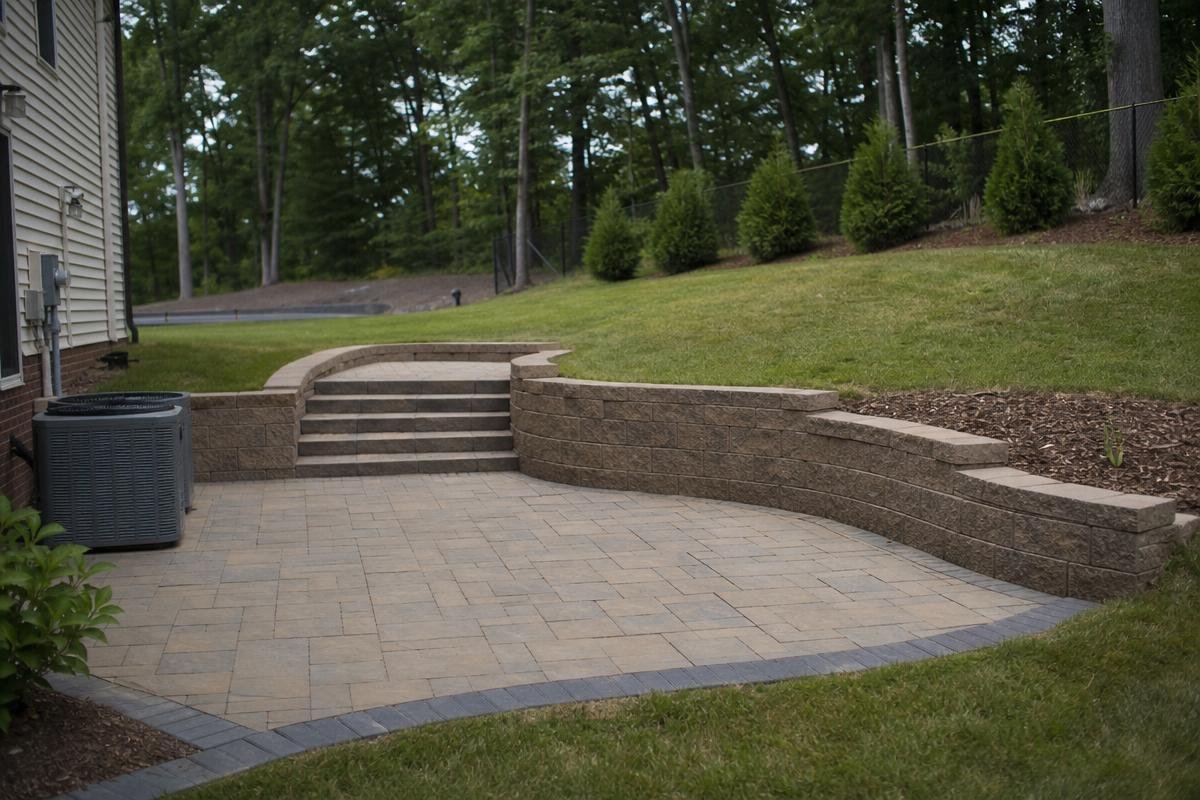
Clay soil can hold moisture after rain and become difficult to drain, then shrink or move as conditions dry. That movement matters under patios, walkways, and retaining walls. A durable hardscape plan typically considers a properly compacted aggregate base, positive grading away from the house, edge restraint, and a drainage route that does not create a downstream problem.
Drainage details should be addressed before the hardscape is installed, not after water begins ponding against a wall or foundation. When runoff may enter an easement, public system, sidewalk, curb line, or adjacent property, seek official direction before construction.
Plan Walls, Paving, and Drainage Together
A new wall or paver area can redirect water toward a neighbor, foundation, or low point. Drainage stone, perforated pipe, cleanouts, outlets, and backfill behind a retaining wall should be part of the original plan. Wall drainage also helps reduce hydrostatic pressure behind the finished face.
Our Drainage Solutions and Retaining and Seating Walls work starts with the grade, not just the finished appearance. Send us your wall or patio sketch to discuss the scope before material delivery.
Coordinate Outdoor Features as One Site Plan
Adding an outdoor kitchen, deck, fence, irrigation, lighting, turf, or fire feature can create overlapping construction questions. Each feature may affect access, drainage, utilities, paving coverage, wall placement, or inspection needs. Planning the complete yard first can prevent a finished patio or wall from blocking the best drainage route later.
JH Landscapes is a trusted landscaper in Charlotte, NC, serving homeowners planning landscape construction, hardscaping, drainage, grading, and outdoor-living improvements throughout Charlotte and the surrounding Mecklenburg County area.
Need a straight answer on drainage, grading, or wall planning? Call us at (704) 999-0976.
Contact UsA Practical Permit Checklist for Your Landscape Project
Bring clear site details to your permit inquiry. Whether your property is in Charlotte, unincorporated Mecklenburg County, or a nearby municipality, drainage direction and wall placement can change the answer. This checklist helps you ask useful questions before any digging starts.
Additional Site Details to Include
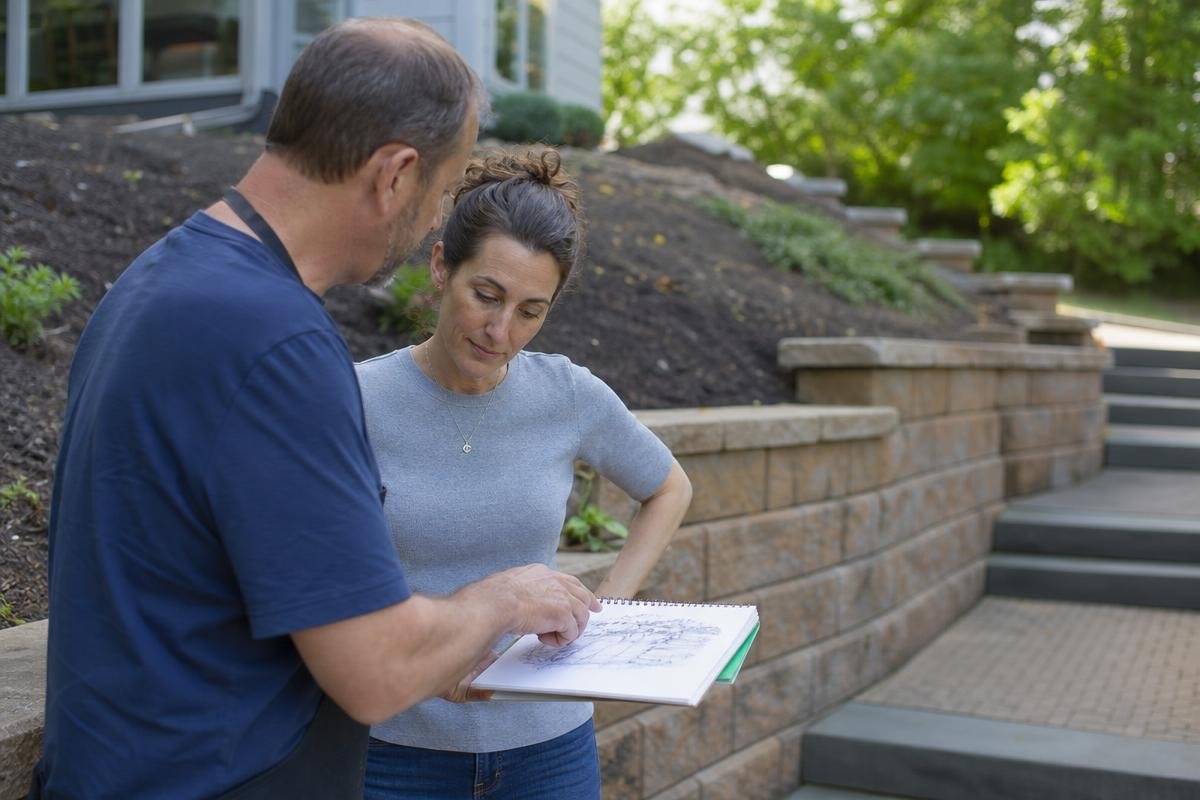
Add these details to the basic project information above before contacting permitting, zoning, stormwater, or inspections staff:
- Parcel information.
- Add the house, property lines, easements, and work area to the project sketch.
- Include views from the house and property lines, plus street frontage.
- Add the wall length and exact location.
- Mark new paving, excavation, and fill areas.
- Mark downspout outlets, existing swales, and affected trees.
Ask directly whether your project needs zoning review, a building permit, engineering, stormwater review, a right-of-way permit, or only HOA approval. These are different approvals, and one does not automatically satisfy another.
Details to Confirm Before Construction
Settle applicable approvals and approved documents before excavation or material delivery. Confirm utility-location planning, equipment access, selected materials, base depth, drainage details, and property-line layout. Roof runoff belongs in the same plan, not as an afterthought. Our Drainage Solutions can tie gutter discharge, grading, and collection points together.
For wall work, define the drainage stone, perforated pipe, outlet location, backfill plan, and any required engineering before installation. Review our Retaining and Seating Walls if you need help preparing the project scope for a permit question or estimate.
Projects That Need Separate Building Review
Detached garages, guest houses or ADUs, house additions, and covered patios or porches usually follow a different building-review path than ordinary site work. They may involve structural plans, setbacks, electrical work, plumbing, and additional inspections. If landscaping is part of one of these projects, coordinate the site plan with the broader building approval.
Permit Questions Are Easier to Solve Before Work Begins
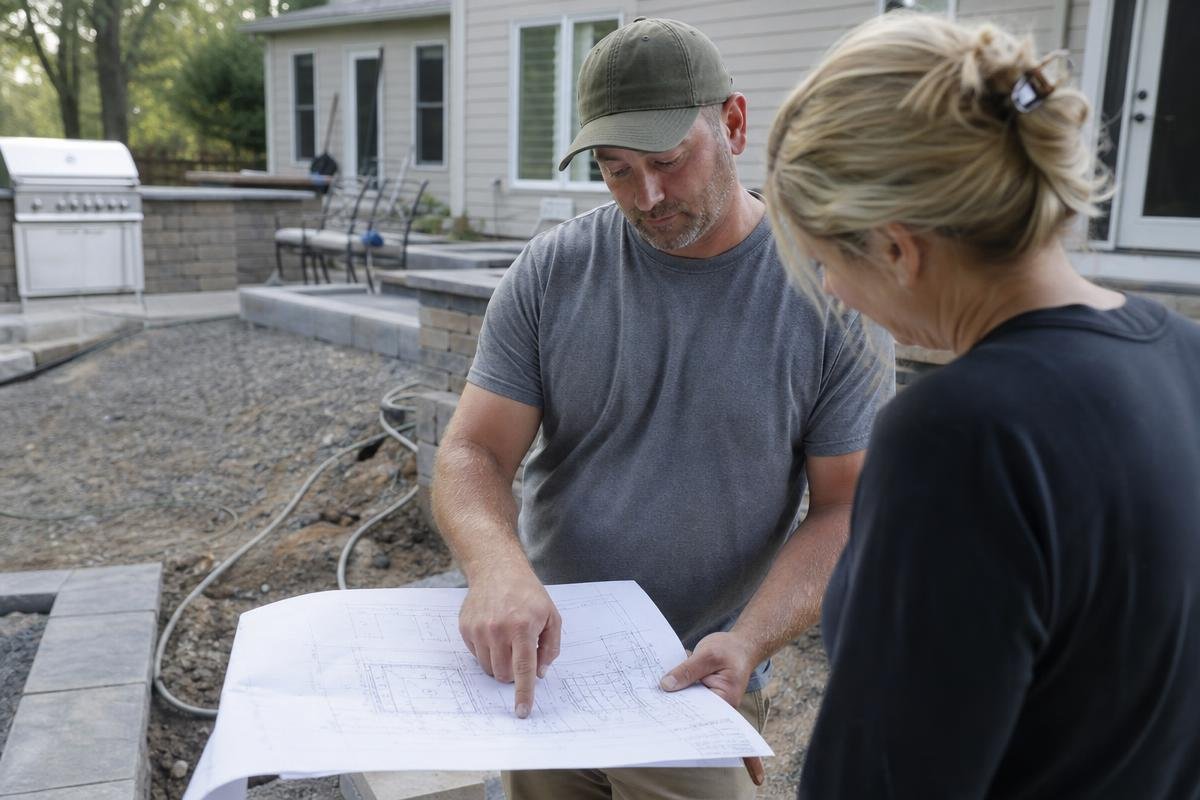
Set the scope before equipment arrives. On a typical yard build, wall placement, patio excavation, and drainage routing must work together. A clear plan helps avoid redesigns, drainage conflicts, material delays, and preventable changes after construction is underway.
We can discuss landscaping, hardscaping, grading, drainage, and outdoor-living work with homeowners across Charlotte, NC, and surrounding Mecklenburg County neighborhoods. Our Landscape Construction and drainage planning begin with a workable, site-specific scope.
For final permit direction, contact the City of Charlotte, Mecklenburg County, or the municipality that governs your parcel. Contact JH Landscapes at (704) 999-0976 to request a pre-construction landscaping estimate or a drainage and wall-planning consultation.
Frequently Asked Questions
Permit rules depend on the parcel, the construction scope, and where water or soil will move. Here are straight answers for homeowners in Charlotte, Ballantyne, South Charlotte, Steele Creek, and nearby Mecklenburg County communities.
Do I Need a Permit to Plant Trees or Shrubs in Charlotte?
Routine planting usually does not require a permit. Confirm first if planting affects protected trees, an approved site plan, drainage work, or significant grading. Our plant installation can help define the work before you contact local reviewers.
Do Retaining Walls Need a Permit in Charlotte?
Retaining walls may require City and County review depending on the wall height, supported fill, location, drainage, and other project conditions. Confirm the exact requirements with Charlotte and Mecklenburg County permitting staff before excavation or material delivery. Wall height, footing depth, drainage stone, and property location can all affect review.
Do I Need a Permit to Regrade My Yard?
You may need review for regrading that moves soil, adds fill, changes runoff, or affects a neighboring parcel. Whether regrading requires a permit in Charlotte depends on the specific parcel, especially near a swale, easement, or property boundary. Review the scope before scheduling grading and hydroseeding.
Do Patios and Driveways Need Permits?
They can. A patio or driveway may need review if it includes excavation, drainage changes, added impervious coverage, curb access, or work near an easement. Pavers alone do not tell you the answer. The full site work does.
Do Drainage Projects Need Town Review?
Drainage work may need review if a pipe, channel, catch basin, or outlet changes where runoff goes. Whether drainage work requires review in Charlotte, NC, is especially important when water could route toward a property line, street, or shared drainage area.
Who Has Final Authority on Permit Requirements?
The applicable local permitting, planning, and inspection authorities have final authority. A contractor can explain construction scope, but cannot promise with certainty that no permit is needed. Before you schedule excavation, order pavers, or build a wall, contact JH Landscapes at (704) 999-0976 to discuss the real construction scope, then confirm final permit direction before work begins.
Ready to Get Started with JH Landscapes?
Call (704) 999-0976 to speak with our team directly. We're ready to answer your questions, walk you through your options, and help you find the right solution for your needs. Whether you're just starting to plan or ready to move forward, we'll make the process simple and stress-free.
Reach out today and let's talk about how we can help.
Let's Design Your Patio.
Tell us a little about the yard and how you want to use it. We will follow up within one business day.