
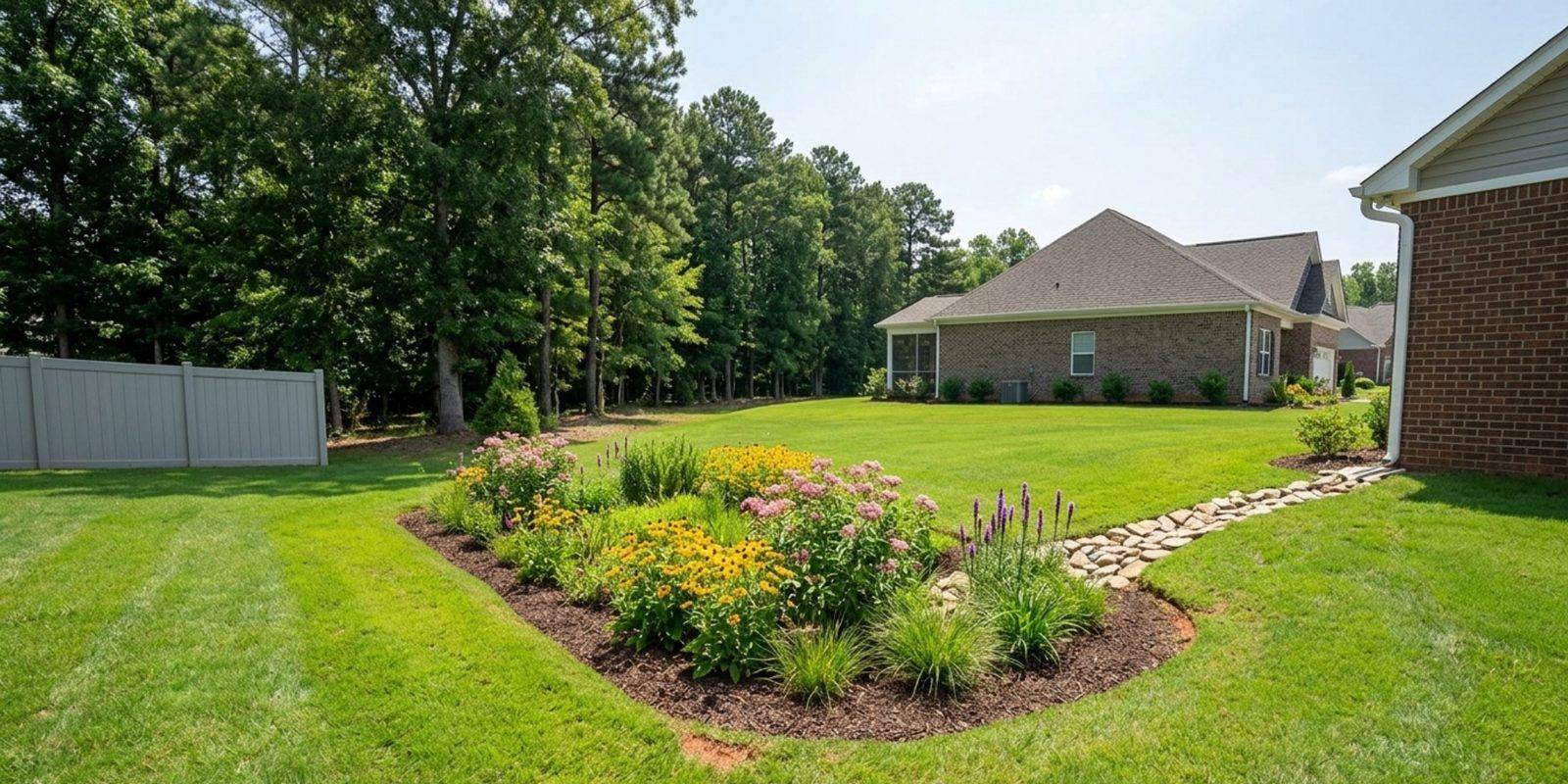
If you live in the Waxhaw area or anywhere across the greater Charlotte region, you’ve likely experienced the challenges that come with heavy rainfall and the clay-heavy soil that dominates the Piedmont landscape. When storms roll through Union County, water doesn’t soak in easily, it collects in low spots, damages foundations, and creates runoff problems that affect your entire property. A rain garden offers an elegant and practical solution to these drainage challenges while adding beauty to your landscape and helping the environment at the same time.
Rain gardens have become increasingly popular in North Carolina neighborhoods, and for good reason. They’re designed specifically to capture and filter stormwater runoff, turning a problem into an asset. Whether you’re dealing with water pooling near your home, struggling with yard erosion, or simply want to reduce your environmental footprint, a rain garden can transform your property while working with the unique climate and soil conditions we experience here in Waxhaw. JH Landscapes has helped hundreds of homeowners across the Charlotte metro area tackle exactly these issues.
What Is a Rain Garden and How Does It Work?
A rain garden is a shallow, landscaped depression that catches and filters rainwater runoff from your roof, driveway, and yard. Rather than letting water rush off into storm drains and local waterways, a rain garden slows the flow, allowing water to soak gradually into the ground where it recharges groundwater and filters naturally through layers of specially amended soil. The result is cleaner water returning to our streams and aquifers, less flooding risk, and a more resilient landscape on your property.
The mechanics are straightforward but effective. When rain falls on your roof or impervious surfaces like driveways and patios, it becomes stormwater runoff. In traditional landscapes, especially those with compacted clay soil like ours in Waxhaw, this water runs off quickly and carries pollutants with it. A properly designed rain garden intercepts this flow and holds it temporarily, typically for 24 to 48 hours, allowing it to percolate down through layers of engineered soil. This natural filtration process removes sediments, nutrients, and pollutants before the water reaches groundwater or local waterways.
Native plants, selected specifically for their ability to tolerate both wet and dry conditions, play a crucial role. During heavy rains, they’re submerged; between storms, their roots help water drain while preventing erosion. The plants themselves reduce water volume through transpiration and add visual appeal to your yard year-round.
Why Waxhaw Needs Rain Gardens: Local Soil and Weather Challenges
The Piedmont region where Waxhaw sits presents unique challenges that make rain gardens especially valuable. Our area experiences frequent, intense rainfall events, particularly during spring and summer months. Union County receives nearly 45 inches of annual precipitation, with several months averaging over 4 inches each. When these heavy rains hit, they meet our dense clay-based soil, which has poor infiltration rates and resists water absorption.
This combination creates the perfect storm for drainage problems. Clay soil is heavy and compacted, especially in established neighborhoods where decades of development have compressed the earth beneath homes and yards. Water sits on the surface instead of soaking in, leading to erosion in sloped yards, standing water in low areas, and dangerous runoff that can damage foundations, wash away topsoil, and create muddy patches that kill grass. For homeowners in South Charlotte, Ballantyne, Indian Trail, and surrounding Waxhaw communities, these aren’t minor inconveniences, they’re real property management challenges.
A rain garden specifically addresses these soil conditions. By creating a dedicated space with amended, loose soil that drains faster than native clay, you’re essentially giving water a preferred pathway into the ground. The amended soil mixture combines native clay with compost and sand, which breaks up the compaction and improves infiltration rates dramatically. Over time, as the rain garden matures and plant roots establish themselves, the infiltration capacity often improves even more. This is why rain gardens work so well in the Waxhaw area, where the natural landscape makes drainage difficult. When outdoor construction is part of a broader yard renovation, a rain garden can be integrated seamlessly into the overall drainage solution.
Choosing the Right Location for Your Rain Garden
Location is everything when it comes to rain garden success. The ideal spot captures runoff from your roof, driveway, or yard while avoiding potential problems with your home’s foundation and underground utilities. Start by observing your property during and after heavy rainfall. Where does water naturally collect? What are the low spots? Where do gutters and downspouts drain?
The best rain garden location is downslope from hard surfaces like roofs, driveways, and patios, but at least 10 feet away from your home’s foundation. This distance prevents excess moisture from seeping toward your foundation walls, which could lead to basement water damage or structural issues. If you have a slope, placing your rain garden partway down allows gravity to deliver water naturally, and the depression catches and holds it for infiltration.
Proximity to downspouts is ideal. If water from your gutters flows naturally to a particular area of your yard, that’s your prime real estate for a rain garden. You might even redirect downspout extensions to direct water precisely where you want it. In some cases, especially in flatter yards common in Waxhaw neighborhoods, you might create a small berm or swale to guide water toward your rain garden location.
Avoid placing rain gardens under large trees or in areas where tree roots dominate. Tree roots will seek out the moist soil in your rain garden and can eventually clog the drainage system or compromise the garden bed. Similarly, stay away from septic systems, drainage fields, and utility lines. Call 811 before you dig, or have a professional locate utilities to ensure you won’t hit anything underground. In established neighborhoods across Waxhaw, Marvin, Matthews, and Wesley Chapel, utility lines are common, so this step is non-negotiable.
Building Your Rain Garden: Excavation, Soil Amendment, and Planting
Once you’ve selected your location, it’s time to build. A typical residential rain garden is relatively modest in size, somewhere between 50 and 300 square feet depending on the roof area or surface you’re trying to drain. The depth is usually 4 to 8 inches, deep enough to hold meaningful volumes of water but shallow enough that water drains within 24 to 48 hours.
Start by outlining your rain garden shape. Many homeowners prefer kidney or crescent shapes that curve naturally with the landscape, but any shape works functionally. Excavate the depression, removing sod and topsoil as you go. You’ll need this material, so don’t throw it away. As you dig, save any clay and compacted soil separately; you’ll use some of this for the bottom layer.
The soil amendment process is critical, especially given Waxhaw’s heavy clay conditions. Create a layered system: place 2 to 3 inches of coarse sand or gravel at the bottom for drainage, then add 3 to 4 inches of a planting soil mix. This mix should be roughly 40 percent compost, 30 percent native topsoil or clay, and 30 percent coarse sand. This combination drains faster than pure clay while retaining nutrients for plants. If you have saved topsoil from excavation, work it into this mix. Many gardeners in the Waxhaw area find that adding extra compost helps break up the clay and creates a more hospitable growing medium.
When you’re ready to plant, choose native species suited to the Piedmont climate that can handle both flooding and drought. Install plants according to their mature size, spacing them appropriately so they have room to grow. Water thoroughly after planting, especially during the first growing season. You won’t need to add the rain garden to your regular watering schedule; once established and connected to your downspouts or roof drainage, the rain garden will receive ample water from storms. A well-planned landscape design can incorporate rain garden features alongside your overall planting vision.
Best Plants for Rain Gardens in the NC Piedmont
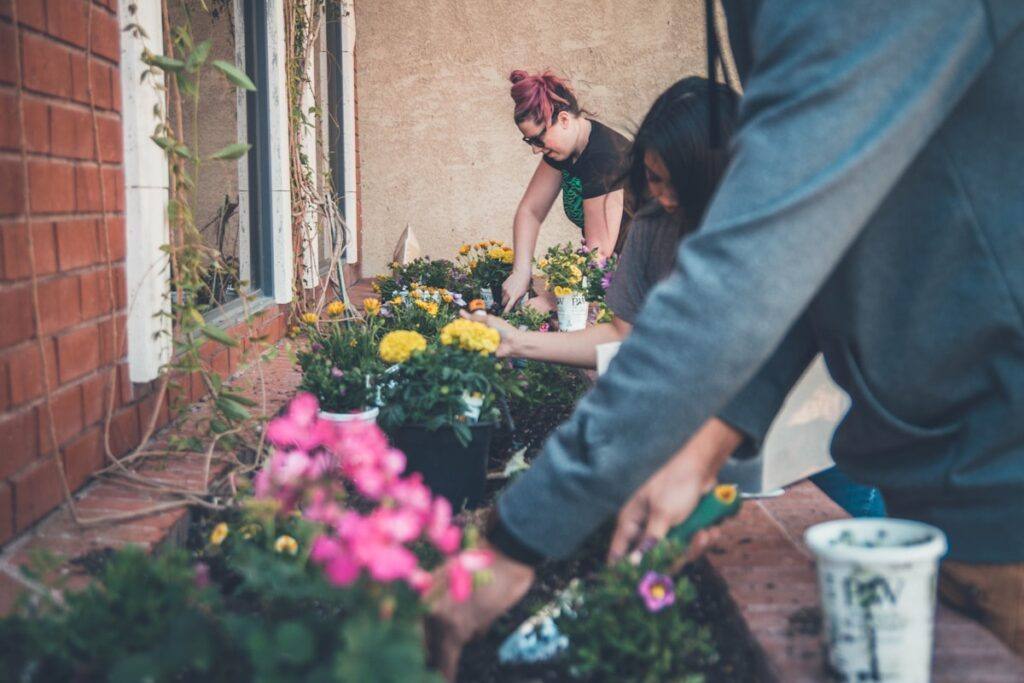
Choosing the right plants is key to a thriving rain garden. You want species that are native to North Carolina, adapted to the humid subtropical climate and clay soils of our region, and capable of handling both wet conditions during heavy rains and drier spells between storms.
Black-eyed Susan is an excellent choice for Waxhaw rain gardens. This cheerful native wildflower tolerates both wet and dry soil, blooms prolifically from early summer through fall, and attracts pollinators. Joe-Pye weed, despite its unflattering name, is a tall native perennial that adds vertical interest and thrives in moist conditions. Ironweed, another native species, produces stunning purple flowers and reaches 4 to 6 feet tall, creating a natural backdrop for shorter plants.
For lower layers, consider native sedges and rushes like Pennsylvania sedge or fox sedge, which are perfectly adapted to wetland conditions and stabilize soil beautifully. Blazing star, also called liatris, produces spiky purple or white flowers and tolerates the moisture fluctuations of rain gardens perfectly. Swamp milkweed is another native winner, offering delicate pink flowers and playing a crucial role in supporting monarch butterflies.
If you want year-round structure, add native shrubs like deciduous holly, which grows well in moist soils and produces bright red berries in winter. Black chokeberry is another native shrub option that offers white spring flowers, dark berries in summer, and striking red foliage in fall.
Avoid non-native plants and invasive species. While they might be pretty and available at local nurseries, they don’t fit the ecosystem and can spread beyond your rain garden. Stick with species native to the Piedmont, and you’ll have a plant community that thrives with minimal maintenance and maximum ecological benefit.
Maintaining Your Rain Garden Year-Round
A well-designed rain garden requires surprisingly little ongoing maintenance, especially compared to a traditional landscape bed. The key is staying on top of a few basic tasks throughout the year.
During the growing season, water newly planted specimens during their first year if local rainfall is sparse, though the Waxhaw area’s regular precipitation usually handles this. As plants become established, they’ll need minimal supplemental watering. Deadhead spent flowers on perennials like black-eyed Susan to encourage more blooms and keep the garden looking tidy. Divide perennials every few years if they become overcrowded.
Mulch is your friend. Apply 2 to 3 inches of wood chips or shredded leaf mulch around plants, taking care to keep mulch away from plant stems to prevent rot. Mulch conserves moisture, suppresses weeds, and as it breaks down, enriches your amended soil. In the Waxhaw area, you can often source mulch inexpensively from local landscape companies or from your own autumn leaves.
Keep an eye on sediment accumulation. Over time, soil and sediment from runoff will settle in your rain garden. Every few years, you may need to rake out accumulated sediment or top-dress with fresh mulch and compost. This isn’t urgent, but staying on top of it keeps your garden functioning at peak efficiency.
In fall, resist the urge to remove all plant material. Many native perennials provide food and shelter for overwintering insects and birds. You can cut back dead growth in late winter, just before new growth emerges. Dead plant stems also add visual interest to the winter landscape and help protect the soil beneath from erosion and compaction.
Watch for signs of poor drainage. If water sits in your garden for more than 48 hours after a heavy rain, you may have a compaction problem or soil that’s too clay-heavy. If this happens, consider aerating the soil or adding more compost and sand to improve infiltration. Similarly, if water is draining too quickly and plants look stressed during dry spells, you may need to increase the organic matter content of your soil to improve water retention. Persistent drainage concerns may warrant professional drainage solutions from an experienced contractor.
Frequently Asked Questions
Will a rain garden attract mosquitoes?
No, not if it’s properly designed. The key is drainage. Since water drains from a rain garden within 24 to 48 hours, mosquitoes don’t have standing water for long enough to complete their breeding cycle, which requires several days. Make sure your rain garden drains well and doesn’t hold water permanently. If water is sitting for weeks, that’s a sign of a drainage problem that needs addressing.
How much does a rain garden cost to install?
A typical residential rain garden costs anywhere from $300 to $1,000 to build yourself, depending on size, soil amendments, and plants you choose. If you hire a professional landscaper, expect $1,500 to $3,500 or more. JH Landscapes can help you design and install a rain garden that matches your budget and property needs. Many homeowners find the investment worthwhile given the long-term benefits in drainage improvement, reduced maintenance, and increased property appeal.
Can I install a rain garden if I have a septic system?
You can, but you must be careful about placement. Rain gardens should be at least 50 feet away from septic tanks and drain fields to prevent contamination. If your lot is small or your septic system is centrally located, consult with a septic professional before proceeding. In many established Waxhaw neighborhoods with municipal sewer service, septic systems aren’t a concern, but it’s always worth confirming.
What if my yard is very flat?
Flat yards are more common in developed areas around Waxhaw and South Charlotte. You can still build a rain garden, but you may need to create a small berm (a raised ridge) to direct water toward your rain garden location, or you can extend downspout systems to guide water where you want it. The depression of the rain garden itself will still catch and hold water effectively, even on flat ground.
Do I need a permit to install a rain garden?
Most homeowners can install a rain garden on their own property without a permit, since it’s a beneficial stormwater management practice. However, it’s worth checking with your local Waxhaw or Union County authorities to confirm. If your property is in a flood-prone area or has specific drainage requirements, you might want to consult with a professional. JH Landscapes can help navigate any local requirements and ensure your rain garden is compliant.
Your Yard Can Work Harder for You
A rain garden is one of the smartest investments you can make for a Waxhaw property, especially if you’re dealing with clay soil, drainage problems, or simply want to reduce your environmental impact. JH Landscapes has extensive experience designing and installing rain gardens across Waxhaw, Ballantyne, Indian Trail, Marvin, Matthews, and throughout the greater Charlotte area. We understand the unique challenges of Piedmont soil and climate, and we’ll help you create a rain garden that solves your drainage problems while adding lasting beauty to your landscape.
Whether you need a comprehensive stormwater management plan or a simple garden bed to capture roof runoff, our team can guide you through every step from site selection through plant selection and long-term maintenance. We can also incorporate hardscape elements like stone borders and gravel paths that complement your rain garden and tie the whole landscape together. Contact JH Landscapes today to schedule a consultation. Call us at (704) 999-0976 to discuss your rain garden project and discover how we can help transform your yard into a more resilient, beautiful outdoor space that works with nature, not against it.
About JH Landscapes
JH Landscapes specializes in comprehensive outdoor living solutions with over 15 years of experience serving the Charlotte metro area, including Waxhaw, Fort Mill , and surrounding communities. We provide expert services such as landscape design , lawn care , and outdoor construction projects including covered patios , pergolas , and complete landscape transformations.
Our team of certified professionals combines technical expertise with landscape design knowledge to deliver seamless integration between hardscape elements and natural surroundings. We pride ourselves on using premium materials, professional installation techniques, and thorough project management. Contact JH Landscapes today at (704) 999-0976 to discuss designing a rain garden for your Waxhaw property.
Let's Design Your Patio.
Tell us a little about the yard and how you want to use it. We will follow up within one business day.