
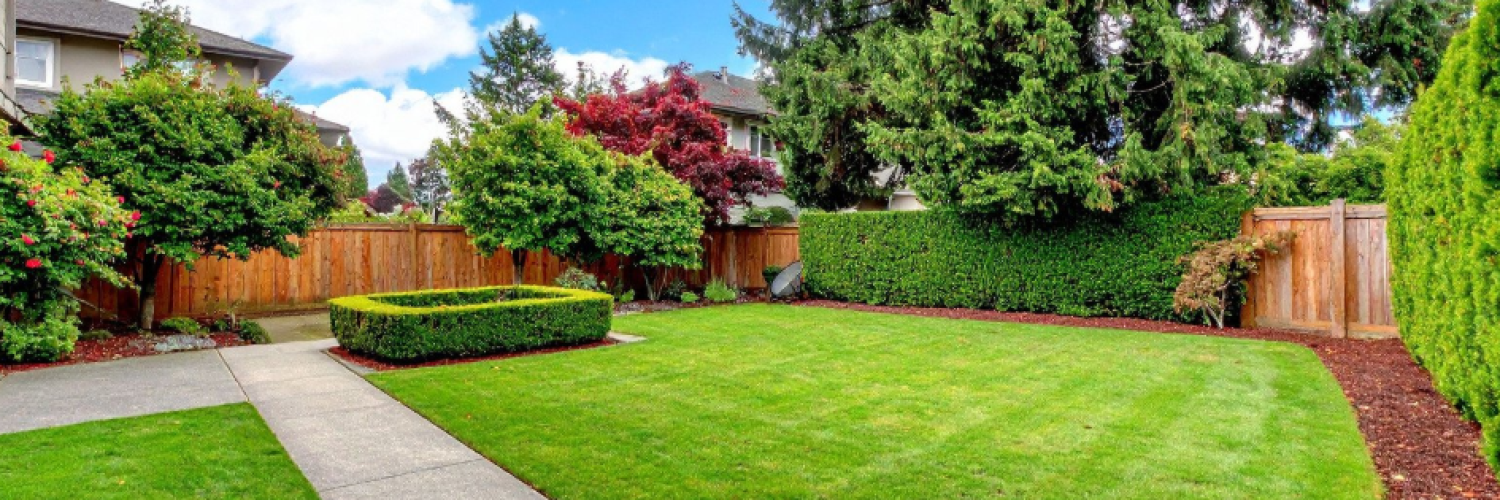
Whether you are establishing a brand-new lawn on a freshly built home or replacing a yard that has thinned out beyond recovery, sod installation is one of the most impactful upgrades a Waxhaw homeowner can make. Sod gives you an established, functional lawn in days rather than months, and in a community where curb appeal and outdoor living matter, that speed of transformation carries real value.
The question most homeowners arrive at quickly is: what does it actually cost? The answer depends on several variables specific to your property, your grass selection, and the scope of prep work involved. This guide breaks down sod installation pricing for Waxhaw, NC in 2026 so you can plan your project with accurate expectations from the start.
What Sod Installation Costs in Waxhaw, NC in 2026
For a professionally installed sod project in the Waxhaw area, homeowners can expect total costs to fall between $1.50 and $3.00 per square foot, covering sod material, delivery, site preparation, and installation labor. That range translates to roughly $2,250 to $4,500 for a 1,500-square-foot lawn area, and $5,000 to $10,000 or more for a full quarter-acre yard of approximately 3,500 square feet of turf area.
Sod material alone typically runs between $0.50 and $0.85 per square foot depending on grass variety and supplier. Installation labor generally adds another $0.50 to $1.00 per square foot. Site preparation, which includes removing existing vegetation, grading, and soil amendment, is priced separately based on the condition of the site and can add $0.25 to $0.75 per square foot or more for lots with significant challenges.
These ranges reflect current market conditions in the Waxhaw area and account for the regional labor rates and material availability in Union County and the Greater Charlotte region. As with any landscape project, the only way to get an accurate number for your specific property is an on-site evaluation.
Grass Type Significantly Affects the Price
Waxhaw sits squarely in the Piedmont transition zone, the belt where cool-season and warm-season grasses both compete for dominance. That geography gives homeowners genuine choices between grass types, but each choice comes with different costs and different trade-offs.
Tall Fescue
Tall fescue remains the most commonly installed sod variety in the Waxhaw area. It stays green through most of the year, tolerates the partial shade common under the mature hardwoods found in many established Waxhaw neighborhoods, and develops a deep root system that handles the region’s heavy clay soil reasonably well. Fescue sod typically runs $0.50 to $0.65 per square foot for material alone, making it the most budget-accessible option. The trade-off is that it requires overseeding each fall to maintain density and can struggle during extended periods of summer heat and drought without adequate irrigation.
Bermuda
Bermuda is the standard choice for full-sun lawns where heat tolerance and durability under heavy foot traffic are the priorities. It is the grass installed on most new construction homes in the area because it establishes aggressively and recovers quickly from damage. Bermuda sod costs somewhat more than fescue, generally $0.55 to $0.75 per square foot for material, and premium hybrid varieties like TifTuf command prices at the upper end of that range. The significant limitation for Waxhaw homeowners is winter dormancy: Bermuda turns brown from roughly December through March, which some homeowners find unacceptable and others accept without issue.
Zoysia
Zoysia occupies the premium tier in the Waxhaw sod market. It is slower-growing than Bermuda, which means sod farms require more time to produce it, and that time translates directly into higher material costs. Zoysia sod typically runs $0.70 to $0.85 per square foot or more depending on the variety. Zenith Zoysia, a wider-bladed cultivar, is the more drought-tolerant and traffic-resistant option. Zeon Zoysia is fine-bladed, provides a carpet-like appearance, and tolerates slightly more shade than other warm-season grasses, though it still needs a minimum of four hours of direct sun daily. Both go dormant in winter, but Zoysia requires less frequent mowing, fewer chemical treatments, and fewer irrigations once established, which can reduce ongoing maintenance costs enough to offset the higher upfront investment over time.
What Drives the Cost Beyond the Sod Itself
The per-square-foot price of sod is only part of the total project cost. Several other factors determine where your specific job lands within the range, and understanding them helps you anticipate the full investment before getting quotes.
Site Preparation and Old Lawn Removal
If you are replacing an existing lawn rather than installing on bare soil, the cost of removing and disposing of the old turf adds to the project. Old grass removal typically costs between $0.50 and $2.00 per square foot depending on the method used and how heavily the existing vegetation has rooted. Properties with thick, established Bermuda or Zoysia can be particularly labor-intensive to remove because of their dense root systems.
For lots with significant erosion, settled low spots, or drainage problems, grading work before sod installation is not optional. Sod installed over an unlevel or poorly draining site will fail in the problem areas regardless of how well the sod itself was sourced. Our grading and hydroseeding services address these underlying issues before any sod goes down, which is the only approach that produces lasting results.
Soil Amendment
Waxhaw’s red clay soil is notoriously dense. While some grass varieties tolerate it better than others, virtually every sod installation benefits from soil amendment before the sod is laid. Adding a starter fertilizer and, where needed, lime to adjust soil pH gives the root system a better environment to establish in and reduces the chance of patchy or failing areas in the weeks after installation. The cost of soil amendment varies based on what the soil needs, but budgeting an additional $0.10 to $0.30 per square foot for materials and labor is reasonable for most Waxhaw properties.
Lot Size and Shape
Labor efficiency drops on irregularly shaped lawns with many cutouts, curves, landscape beds, or obstacles. Straight rectangular runs are much faster to sod than properties with complex bed layouts, multiple tree cutouts, or narrow sections requiring hand-trimming and fitting. Installers factor the complexity of a site into their pricing, so two lots of the same square footage can carry meaningfully different labor costs if one is open and accessible while the other has dozens of irregular edges to cut around.
Delivery Distance and Sod Freshness
Sod is a perishable product. It should be installed within 24 hours of being cut from the farm, and pallets left sitting in summer heat for too long will suffer. The Waxhaw area has several regional sod farms within a reasonable delivery distance, including suppliers in Rock Hill and Marshville, which helps keep delivery costs manageable. Expect to budget $50 to $250 for sod delivery depending on the quantity ordered and the specific supplier.
Irrigation Access
New sod requires consistent daily watering for the first two to three weeks after installation. Without an irrigation installation or at minimum a reliable manual watering schedule, new sod in Waxhaw’s summer heat can fail quickly in the first few days after installation. If your property does not have an irrigation system, factoring that project into your overall budget is worth considering, particularly if you are installing warm-season sod in late spring or early summer when heat stress is highest.
When to Install Sod in Waxhaw
Timing matters as much as any other factor in getting new sod to establish successfully. The optimal installation window depends on the grass variety you choose.
Tall fescue sod is best installed in fall, from mid-September through October. Soil temperatures are still warm enough to support root growth, but cooling air temperatures reduce the stress on newly laid turf. Fescue installed in spring can succeed but requires more careful irrigation management through the summer to survive the heat. Avoid installing fescue sod in the heat of summer, as establishment failure rates climb significantly when daytime temperatures are consistently above 85 degrees.
Bermuda and Zoysia sod should be installed from late April through early August when soil temperatures are above 70 degrees and the grass is in its active growing phase. Warm-season grasses installed during their peak growing window establish quickly, often knitting into the soil within two to three weeks. Installing warm-season sod in fall is possible, but the grass has less time to root before dormancy, which increases the risk of winter damage in a hard freeze year.
Sod vs. Seeding: Which Makes More Sense for Your Waxhaw Property?
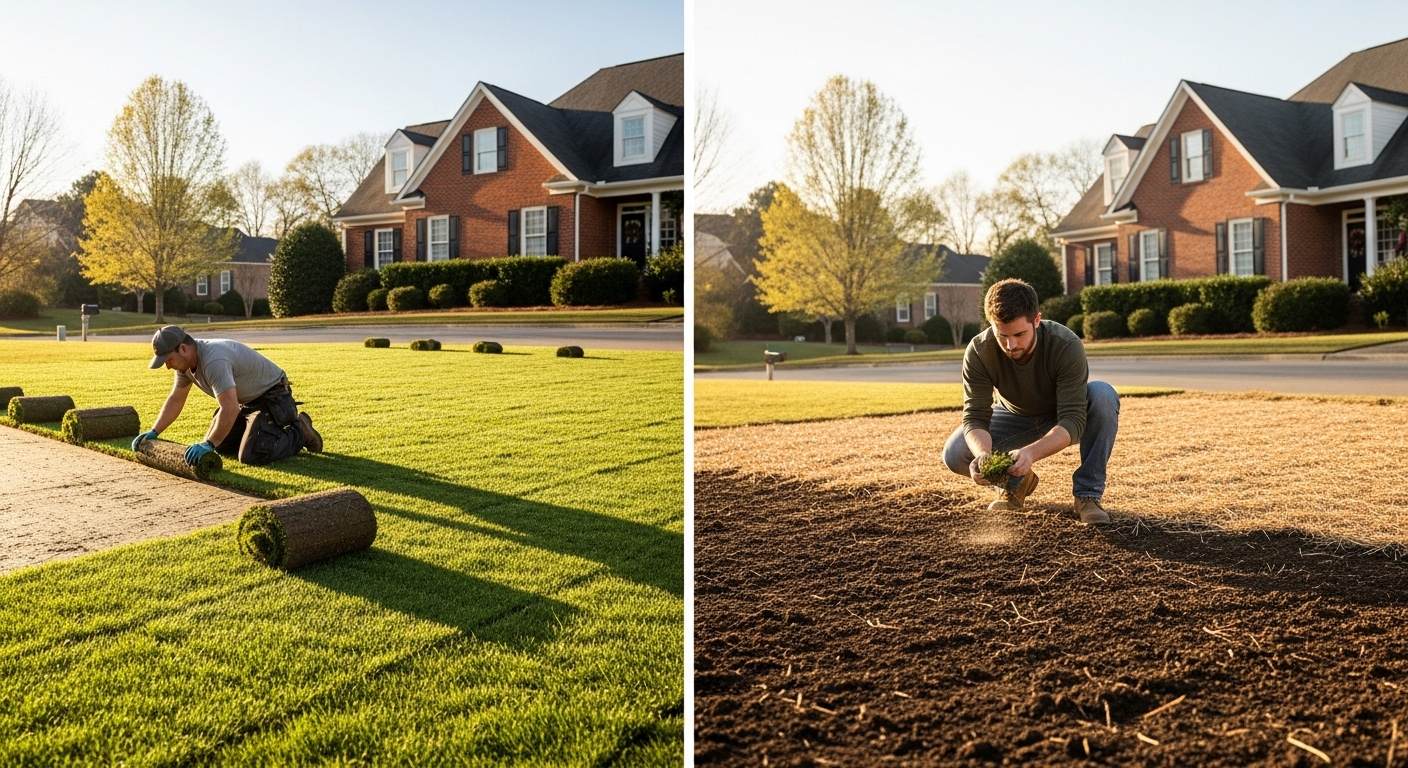
Seeding is the primary alternative to sod for establishing or renovating a lawn, and for fescue specifically, it is a common and cost-effective approach. Seeding costs considerably less upfront than sod, typically $0.10 to $0.20 per square foot for a professionally applied seeding versus $1.50 to $3.00 per square foot for installed sod. The trade-off is time: a seeded fescue lawn takes months to fill in, requires careful protection from erosion and foot traffic during establishment, and is more vulnerable to weed competition during that window.
For Zoysia and Bermuda lawns, seeding is either not viable or produces inferior results compared to sod. Zeon Zoysia cannot be seeded at all and must be installed as sod. Hybrid Bermuda varieties that offer the best performance also require sod. For any homeowner who needs a functional lawn within weeks rather than months, or who is dealing with slope erosion where bare soil cannot be left unprotected, sod is the right choice. Our team can help you evaluate whether sod, seeding, or our grading and hydroseeding service is the right approach based on your site conditions and timeline.
What to Expect After Your Sod Is Installed
The first two weeks after installation are the most critical period for a new sod lawn. Water deeply at least once daily, and twice daily during the first week in summer heat, to keep the root zone consistently moist without creating standing water. Avoid foot traffic entirely for the first two weeks and limit it to light use for the following month.
Most sod grips the soil firmly within 10 to 14 days under good watering conditions. You can confirm establishment by gently tugging a corner of a sod piece. If it resists lifting and pulls with resistance, the roots have begun knitting into the soil beneath. Mowing should wait until the grass reaches the appropriate height for its variety and should not be attempted before the sod has rooted firmly.
Once established, your new lawn benefits from a structured landscape maintenance program that includes regular mowing at the correct height, fertilization on a schedule appropriate to the grass type, and annual aeration for fescue or Zoysia lawns on heavy clay soil. Fescue lawns also require overseeding each fall to maintain density. Addressing any drainage solutions needs before or immediately after installation protects the investment by preventing the standing water that can undermine sod in low areas.
About JH Landscapes
JH Landscapes is a full-service outdoor construction and landscaping company serving homeowners throughout Waxhaw and the surrounding communities, including Weddington, Indian Trail, Matthews, and Monroe. The team handles sod installation from site preparation through final cleanup, with soil assessment, proper grading, and grass variety selection built into every project. JH Landscapes is committed to delivering lawns that establish reliably and perform through the full growing season and beyond.
Get a Sod Installation Estimate in Waxhaw
Ready to move forward with a new lawn? JH Landscapes serves Waxhaw, Weddington, Indian Trail, Matthews, Monroe, and the surrounding Greater Charlotte area. Call (704) 999-0976 or visit our contact page to schedule your on-site consultation. We will assess your soil conditions, discuss your grass options, and provide a detailed written estimate before any work begins.
Frequently Asked Questions
How much does sod installation cost per square foot in Waxhaw, NC?
Professionally installed sod in the Waxhaw area typically runs between $1.50 and $3.00 per square foot, covering materials, delivery, site preparation, and labor. The specific cost for your project depends on grass variety, lot size and shape, the amount of site prep required, and whether old lawn removal is needed.
What is the best grass type for a Waxhaw, NC lawn?
It depends on your yard’s sun exposure, your maintenance preferences, and whether you want year-round green color. Tall fescue works well in partial shade and stays green most of the year but needs overseeding annually. Bermuda performs best in full sun with heavy foot traffic and tolerates drought well, but goes dormant and turns brown in winter. Zoysia offers premium density and lower maintenance once established, handles some shade, but costs more upfront and also goes dormant in winter.
When is the best time to install sod in Waxhaw?
Tall fescue sod installs best in fall, from mid-September through October. Bermuda and Zoysia sod should be installed from late April through early August when soil temperatures are consistently warm and the grass is in active growth. Avoiding installation at the peak of summer heat or during winter reduces establishment risk for all varieties.
Do I need to remove my existing lawn before installing sod?
In most cases, yes. Installing new sod over existing grass or weeds prevents proper root-to-soil contact and leads to patchy, failing areas. Old vegetation is typically killed and removed before the site is prepped, graded, and amended. The cost of removal depends on the type and density of the existing turf.
How long does it take for new sod to root in Waxhaw?
Under consistent watering, most sod varieties begin rooting within 10 to 14 days of installation. Full establishment, where the sod can handle regular mowing and light foot traffic, typically takes four to six weeks. Warm-season grasses installed during their active growing season establish on the faster end of that range. Cool-season fescue installed in fall has more time to root before winter and tends to go into its first growing season in strong shape.
Does sod installation include irrigation?
Sod installation and irrigation system installation are typically separate projects, though they are often planned and scheduled together. New sod requires daily watering for the first two to three weeks, which is far more manageable with an in-ground irrigation system. JH Landscapes can evaluate your property and help you determine whether to add irrigation before or alongside your sod project.