
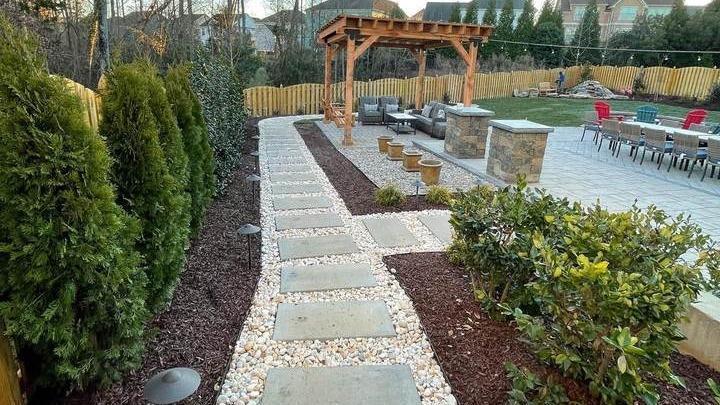
A walkway is one of those features people use every day without thinking much about it. You walk it bringing in groceries, when a guest arrives, or when you take out the trash. When it works, nobody notices. When it doesn't, you see it in the worn strip of lawn where people cut the corner, or the guest who wanders toward the garage because the front entry wasn't clear.
October is a good month to look at this with fresh eyes. Leaves are coming down, evenings get darker earlier, and the yard is easier to read once summer growth fades. Fall is a natural time to walk the property and sketch ideas before the next building season.
This guide collects practical paver walkway ideas for Waxhaw, NC properties. It focuses on where the path goes, how it is shaped, what frames it, and how it feels underfoot. Every site is different, so treat these as ideas to talk through.
Key Takeaways
- Start with how people already move across your property, then design the walkway to match those patterns.
- A direct path suits busy daily routes, while a gentle curve can work well for front entries and garden routes when it still feels natural to follow.
- Borders and edge details help a walkway look finished and can make it easier to see in fading light.
- Small yards often benefit from simple layouts, consistent materials, and a path that feels connected to the house.
- Fall leaf drop and earlier sunsets are good reasons to think about surface texture, plant spacing, and outdoor lighting together.
Start With How People Actually Walk
The best paver walkway ideas usually begin with observation, not a catalog. Before choosing a pattern or color, watch how your household and visitors move around the property. Look for desire lines, the worn strips of grass people create when the official route doesn't match where they want to go. Map your main routes and rank them by how often each is used, since a daily route deserves a different design approach than one you use rarely.
Routing From Parking to the Front Entrance
For many homes, the front walkway is the first thing a visitor uses, so it should make the entrance easy to find and comfortable to reach. A common issue is a front walk that starts at the street while most guests actually park in the driveway, leaving people to step across the lawn or squeeze between cars and planting beds. One idea is to connect the walkway to the driveway at the point where people naturally step out, or to both the driveway and street if guests park in both places.
It's also worth thinking about the spot right before the front steps, where people pause, ring the bell, or set down bags. A slightly larger landing area at the end of the walk can make that moment feel less cramped, though the exact size depends on your entry and is best worked out on site.
Routing to Side and Back Entrances
Back and side routes tend to be practical rather than ceremonial, carrying groceries, kids, pets, bins, and yard gear. If you use a side door from the driveway every day, a straight or nearly straight path is often more comfortable, since extra curves on a utility route can feel like a detour when your hands are full. A direct layout can still look intentional with a clean border and consistent pattern. Back yard walkways often link several spaces, like the back door, a patio, a garden bed, and a gate. Rather than running separate paths everywhere, some properties benefit from one main spine with short branches, keeping the yard from feeling chopped up.
Curved vs. Direct Paths
This is one of the most common questions homeowners ask, and neither shape is automatically better. A straight or simple angled path tends to suit busy daily routes, formal architecture, and narrow side yards where a curve would take up too much space. A border, a pattern change at the ends, or planting on either side can give it character.
A gentle curve can suit front walks on relaxed or traditional homes, routes that pass garden beds, and larger front yards where a straight line would feel stark. The key word is gentle. Curves that swing far from the obvious route often lead to people cutting across them. A good test is to imagine walking it with a bag in each hand; if the curve feels like it's slowing you down for no reason, it may be too much.
Borders and Edge Details
Borders are a simple way to make a walkway look finished and help define where the path ends and the lawn or planting bed begins. One of the simplest ideas is a single row of pavers along each edge, either matching the main pavers for a subtle look or contrasting for more definition.
Some walkways include bands that cross the path at intervals or mark key points, like where the walk meets the driveway. Used sparingly, bands add interest without making the path look busy. Low plantings along a walk can soften its edge, though it helps to leave enough space so plants don't spill over as they grow. JH Landscapes' plant installation work can be planned alongside a walkway so beds and edges feel coordinated from the start.
Staggered vs. Continuous Surfaces
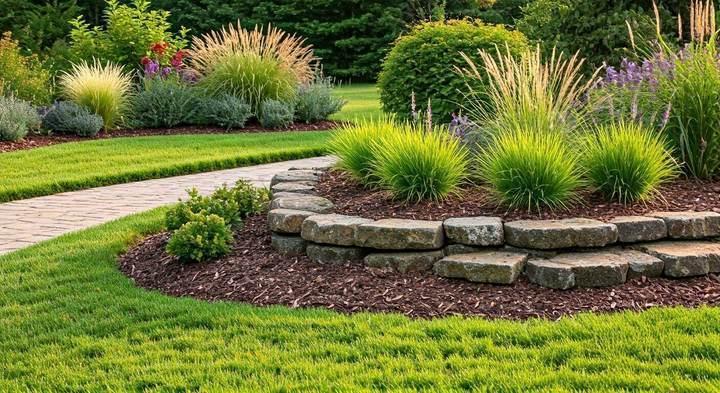
A continuous surface is fully paved from start to finish. It's often the most practical option for main routes, giving a steady, consistent surface that's easier to clear of leaves and simpler to walk in the dark.
Staggered or stepping layouts use individual pavers spaced apart, often with gravel, ground cover, or mulch in between. These can feel more casual, suiting secondary routes such as a path through a planting bed. The trade-off is that spacing needs to feel comfortable for an ordinary stride, and gaps can collect leaves and debris. For routes used by older family members or anyone walking at night, a continuous surface is usually the more comfortable choice.
Sketching a Walkway Layout Before You Commit
You don't need design software to start. Draw a rough outline of the house, driveway, and property edges, then mark every door, gate, parking spot, tree, bed, step, and downspout. Draw the routes people use today, including desire lines, then sketch two or three walkway options over those routes, one direct and one curved, for example. Note any areas that stay wet, collect leaves, or feel dark in the evening. If you've noticed persistent wet areas, the JH Landscapes drainage team can look at the site as part of the walkway conversation.
Paver Walkway Ideas for Small Yards and Materials
A small front or side yard can still hold a walkway that feels thoughtful. In tight spaces, simplicity usually helps. A straight walk or one with a single gentle bend usually feels more natural than a winding path, since too many turns can make a small space feel crowded. Using one paver style and one border treatment can make the area feel calmer and more unified.
It's also worth thinking about how a walkway looks and feels underfoot. Pavers range from smoother faces to more tumbled, textured finishes, which affects how a walk feels and looks in different light. Lighter tones and contrasting borders can make edges easier to see, especially in low light. It's worth seeing samples outdoors, in both sun and shade, for a realistic sense of how they'll look on your property.
Fall Considerations
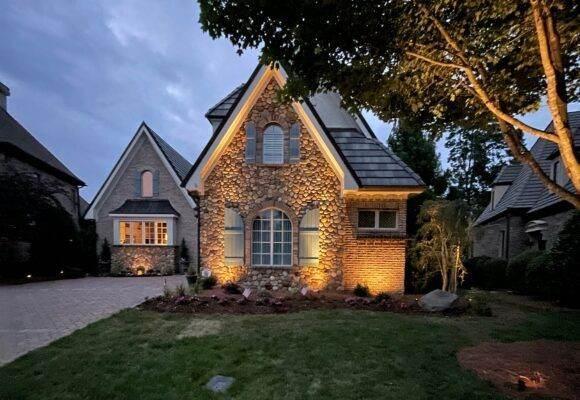
October is a useful time to evaluate walkway ideas because two seasonal changes become very noticeable, leaf drop and shorter evenings. Wet leaves on any hard surface can feel slick, and a continuous surface is often easier to sweep clear than a staggered layout with gaps. Leaving space between planting beds and the path edge can help keep debris from spilling onto the walk, and avoiding tight corners can reduce spots where leaves get trapped.
As days get shorter, more trips to and from the car happen in fading light. A walkway that feels obvious at noon can be harder to follow at dusk, especially if it curves or changes level. Contrasting borders can help define edges, and steps and turns deserve special attention. If you're considering outdoor lighting, it often makes sense to plan it with the walkway rather than adding it afterward.
How JH Landscapes Approaches Walkway Projects
Every property in Waxhaw and the surrounding Greater Charlotte area is a little different, from lot shape and existing trees to the style of the home. The team starts by looking at how your property is used today and what you'd like it to do better, then talks through layout options, borders, patterns, and how the walkway connects to your beds, plantings, and other outdoor areas.
Because JH Landscapes also offers landscape design, plant installation, outdoor lighting, and drainage solutions, a walkway can be planned as part of the whole property instead of as a stand-alone project. JH Landscapes is licensed and insured, founder-led by Justin Hoskins, Owner and Founder since 2019, and works with both residential and commercial clients.
Frequently Asked Questions
What Are Some Good Paver Walkway Ideas for a Front Yard?
Good front yard paver walkway ideas often start with a clear route from where guests park to the front door. Many homeowners like a gentle curve past planting beds, a contrasting border, and a slightly larger landing near the steps.
Should My Walkway Be Curved or Straight?
It depends on the purpose of the route. Straight or simple angled paths usually suit busy daily routes like driveway to side door. Gentle curves can suit front walks and garden paths where you want a softer feel.
Is a Stepping Stone Layout a Good Idea?
Staggered or stepping layouts can look relaxed and work nicely for secondary garden paths. For main routes, a continuous surface is often more comfortable, especially for guests or anyone walking at night.
How Can I Make My Walkway Easier to See at Night?
Contrasting borders make edges easier to pick out in low light, and keeping plantings trimmed back reduces shadows. Path lights or step lights can guide people along the route, and steps, landings, and turns deserve extra attention.
What Paver Walkway Ideas Work for Small Yards?
In small yards, simpler is usually better. A straight path or one with a single gentle bend often feels more natural than a winding route. Sticking with one paver style and one border treatment keeps the space calm.
Is Fall a Good Time to Plan a New Walkway?
Fall can be a useful time to start planning. With leaves dropping and evenings getting darker earlier, it's easier to notice where debris collects and which routes feel hard to follow at dusk.
Plan a Walkway That Fits the Way You Live
A good walkway makes everyday movement around your home a little easier and makes the property feel more welcoming. Whether you're thinking about a new front entry route, a practical path to the side door, or a garden walk in back, JH Landscapes can help you think through layout, borders, surfaces, and how the walkway fits with the rest of your landscape.
Reach out to JH Landscapes at 2307 Waxhaw-Marvin Rd, Waxhaw, NC 28173, or call (704) 999-0976 to start the conversation about your Waxhaw, NC property.
Let's Design Your Patio.
Tell us a little about the yard and how you want to use it. We will follow up within one business day.